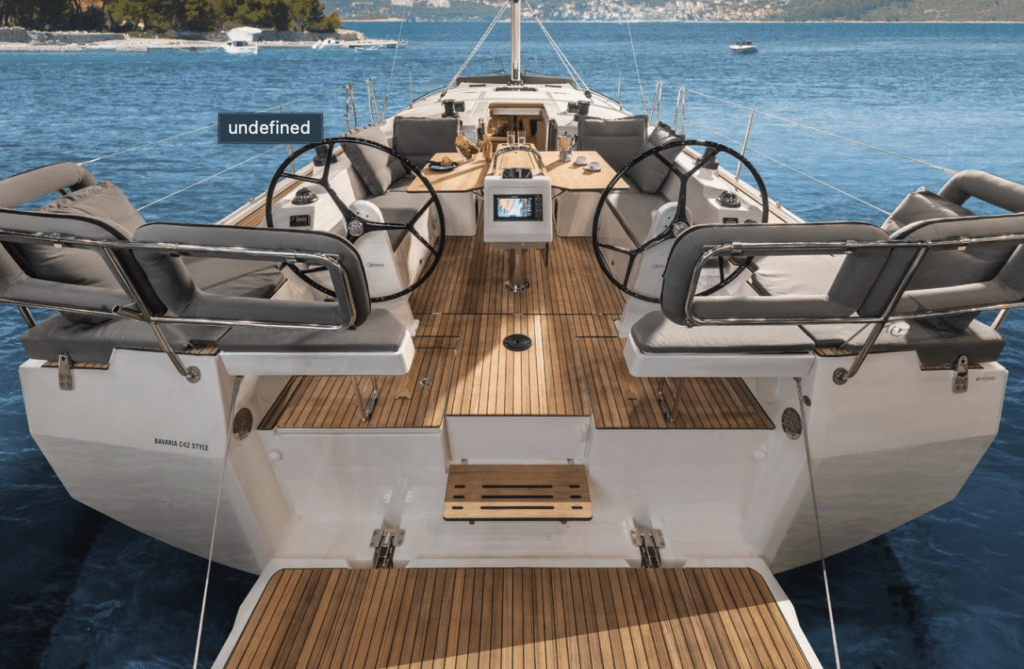
Dreaming of taking the helm one day? The best news for any beginner is that learning to sail is easier – and far more fun – than most people expect. You don't need to be young, super-fit or rich; you just need a week, a sense of adventure and a good teacher. Here's how to learn to sail, the different routes in, and what you'll actually be able to do by the end of your first trip.
Can anyone learn to sail?
Yes. Sailing is a skill, not a talent – and like driving, it's learned step by step. People of all ages and backgrounds pick it up every season. Modern yachts are comfortable and forgiving, and with an experienced skipper beside you there's no pressure and no danger. The hardest part is usually just deciding to start.

The best ways to learn to sail
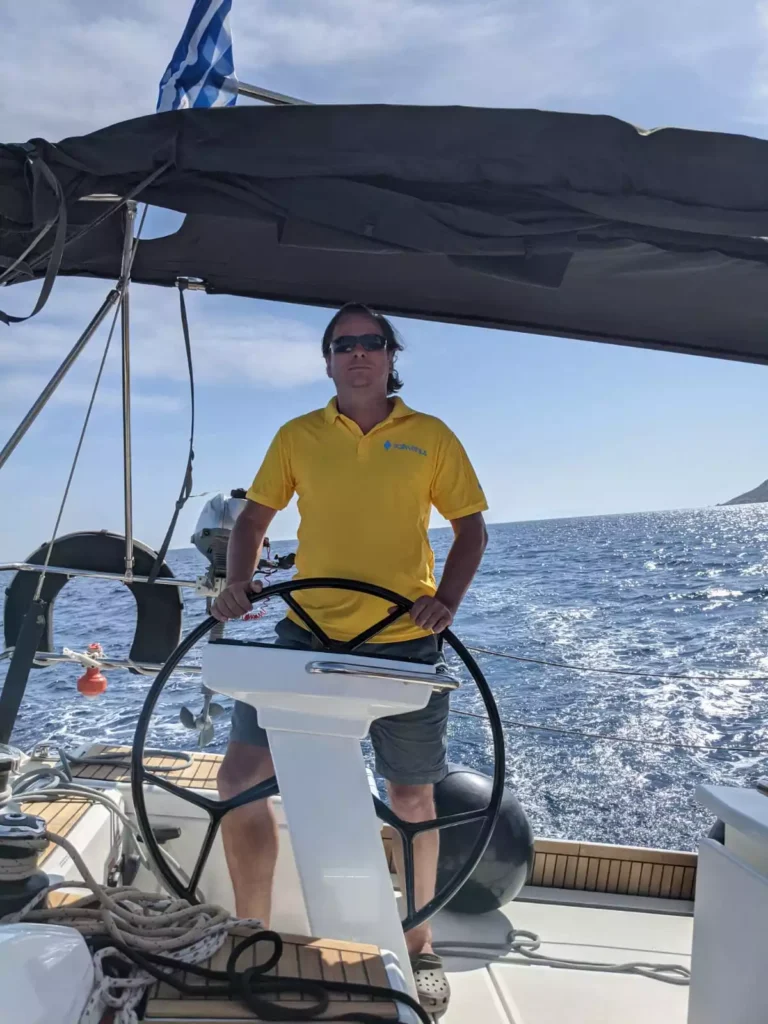
- Join a shared trip as crew. The easiest first step: come aboard with no experience, help hoist the sails, take the helm and absorb the basics naturally over a week – all with a professional skipper in charge.
- Take a skipper training course. A structured week afloat that teaches you to run the boat yourself – navigation, sail trim, mooring, safety – and works towards a recognised qualification.
- Learn the theory too. A little background reading on navigation, right-of-way rules and weather makes everything click faster once you're on the water.
For most people the ideal path is to start as crew, catch the bug, then take a training week when you're ready to skipper yourself.
What you'll learn in your first week
By the end of a week afloat, most beginners can confidently: hoist, trim and reef the sails; take the helm and steer a course; understand wind direction and points of sail; tie the essential knots; help with anchoring and mooring; and use the basic language of the sea, from port and starboard to reading the Beaufort scale. It's remarkable how much sticks in just seven days.
Ready to learn the ropes for real? Explore our skipper training weeks and start your sailing story.
Do you need a licence?
Not to learn, and not to join a trip – the skipper holds the qualifications. You only need a certificate if you later want to charter and sail a yacht yourself. We cover exactly what's required in our guide to sailing licences.
Tips for your first sailing trip
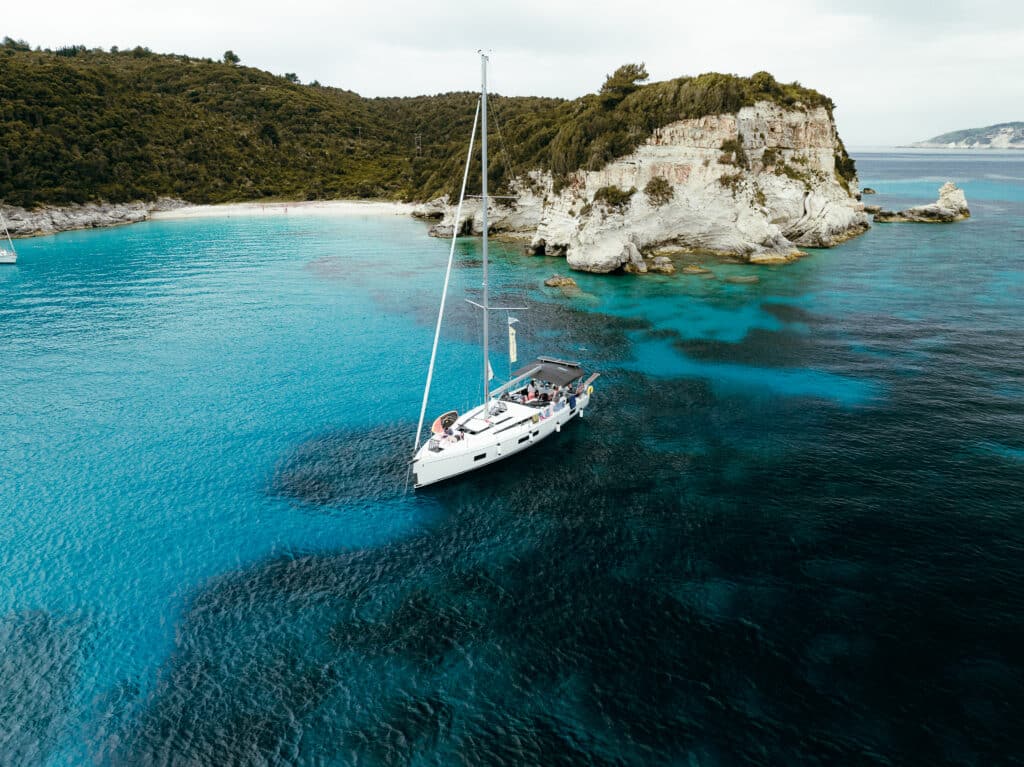
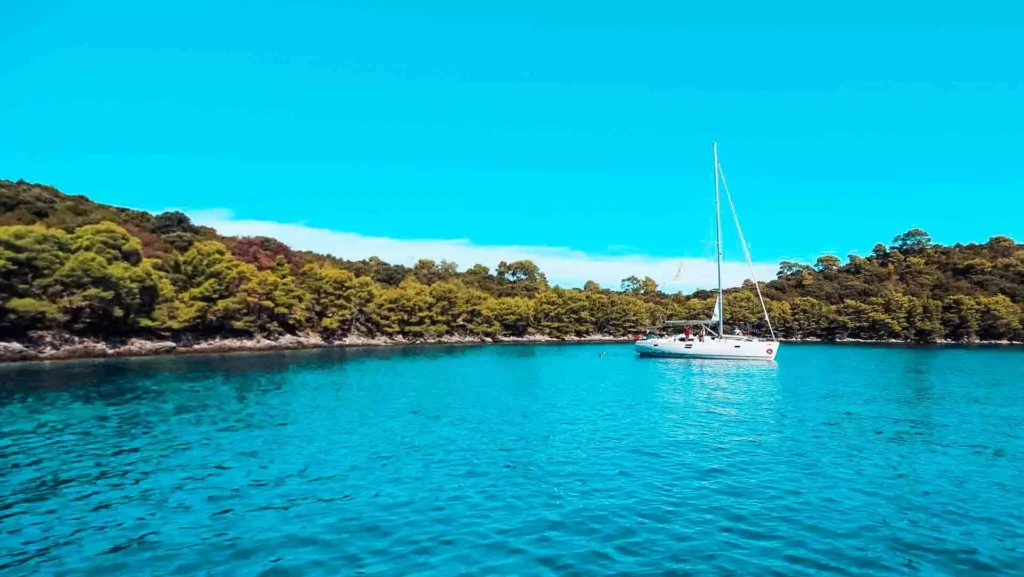
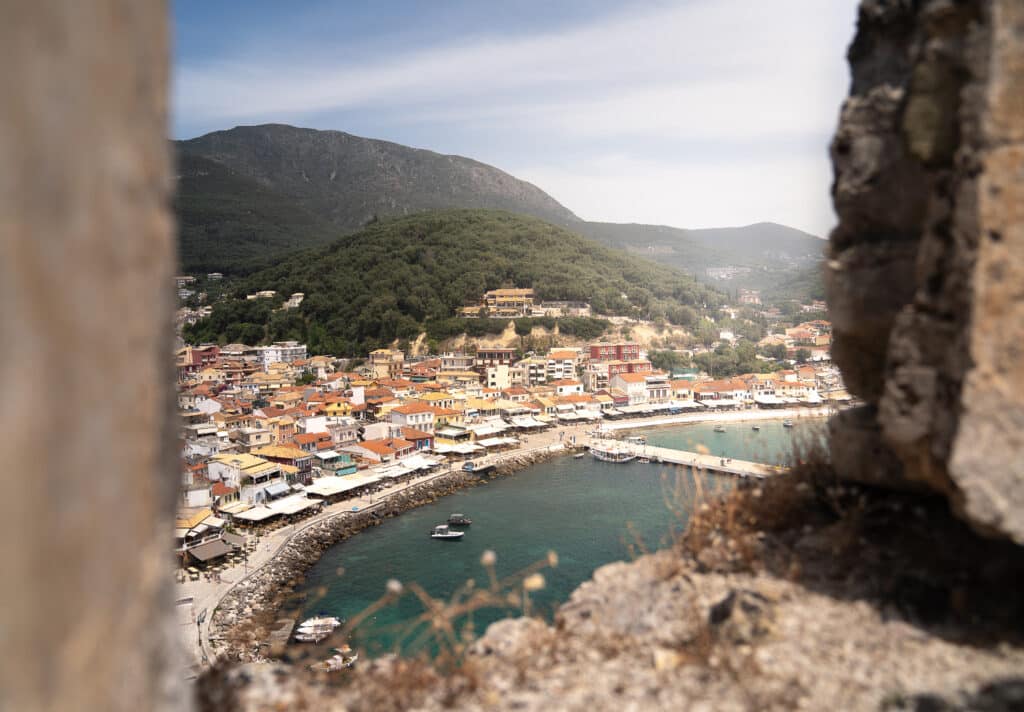
Choose a calm cruising area like the Ionian or the Croatian islands to start. Bring soft-soled shoes, sun protection and a light jacket. Ask questions – skippers love to teach. And don't worry about mistakes; everyone fumbles a knot or a docking line at first. Above all, enjoy it: the learning is half the fun.
Frequently asked questions
How long does it take to learn to sail?
You'll grasp the basics in a single week afloat. Becoming a confident skipper takes a bit more practice, but one good trip gets you a long way.
Is sailing hard to learn?
No. The fundamentals are straightforward and best learned by doing. With a skipper guiding you, beginners progress quickly and safely.
What's the best way to start sailing?
Join a shared trip as crew. It's the easiest, most enjoyable introduction – then take a skipper training week when you want to run the boat yourself.
Conclusion
Anyone can learn to sail – and there's no better classroom than a sunny bay with a friendly skipper. Start as crew, catch the bug, and take it as far as you like. Ready to begin? Discover our skipper training weeks.