There are few finer moments in sailing than dropping the hook in a quiet turquoise bay, switching off the engine and diving straight off the deck. But good anchoring is a real skill – get it right and you sleep soundly; get it wrong and you drag towards the rocks at 3 a.m. Here's how to anchor a boat properly, from choosing the spot to setting the hook and staying safe overnight.
Why anchoring is a core sailing skill
Anchoring lets you stop almost anywhere – for a lunchtime swim, a peaceful night away from crowded marinas, or shelter when the wind shifts. It saves money on harbour fees and unlocks the most beautiful, remote coves that have no jetty at all. A boat that anchors confidently is a boat that's truly free.
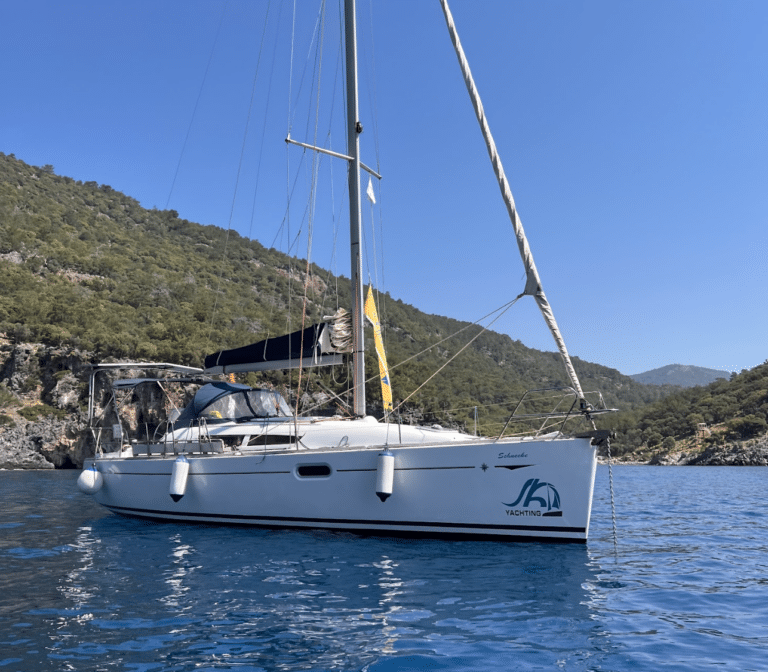
How to anchor a boat, step by step
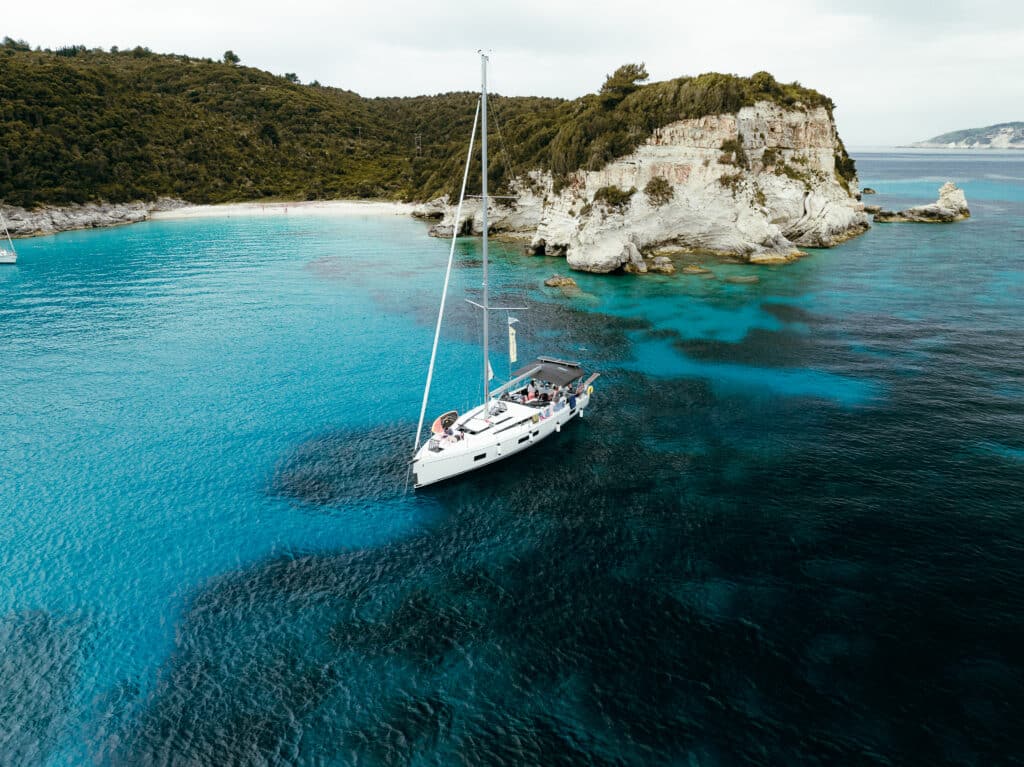
- Choose your spot. Look for good holding (sand or mud, not weed or rock), shelter from the wind and swell, and enough swinging room from other boats and the shore.
- Check the depth and note it – you'll need it to work out how much chain to let out.
- Approach slowly into the wind and bring the boat to a stop over your chosen spot.
- Lower the anchor in a controlled way as the boat begins to drift back – don't just dump the whole chain in a heap.
- Pay out enough chain (see the scope rule below) as you drift astern.
- Set the anchor by gently reversing until the chain pulls tight and the boat stops – you should feel the hook dig in and hold.
- Take transits (line up two points ashore) to check you're not dragging.
How much chain? The scope rule
The golden rule is scope – the ratio of chain let out to water depth. As a guide, pay out at least 4 to 5 times the depth in all-chain rode (more in strong wind or with rope). So in 5 metres of water, let out 20–25 metres of chain. Too little scope is the single most common reason anchors drag. When in doubt, let out more.
Reading the seabed and holding ground
Not all seabeds hold equally. Sand and mud are excellent; weed (Posidonia sea grass) is common in the Mediterranean and can stop the anchor biting; rock holds poorly and can trap your anchor. In clear water you can often see the bottom – aim for a sandy patch. In many Mediterranean anchorages a quick snorkel to check the anchor is dug in is time well spent. Learn the fundamentals in our sailing wiki.
Staying safe at anchor
Once set, keep an eye on your position – especially if the wind gets up or shifts. Use your transits or a GPS anchor alarm, and check again before dark. On a shared trip your skipper handles all of this, choosing sheltered bays and keeping a night watch when needed, so you can simply enjoy the calm. It's a skill best learned by doing, alongside an expert.
Want to master anchoring for yourself? A hands-on skipper training week teaches it in real bays, until it feels second nature.
Frequently asked questions
How much anchor chain should I let out?
At least 4 to 5 times the water depth in all-chain rode. In 5 metres, that means 20–25 metres of chain – and more in strong wind.
What is the best seabed for anchoring?
Sand and mud give the best holding. Avoid weed and rock, which can stop the anchor digging in or trap it.
How do I know if my anchor is dragging?
Line up two fixed points ashore (a transit) or set a GPS anchor alarm. If your position relative to them changes, you're dragging and need to re-anchor.
Conclusion
Anchoring well – the right spot, enough scope, a properly set hook and a watchful eye – is what turns a bay into a home for the night. It's one of the most satisfying skills in sailing. Ready to learn it on the water? Explore our skipper training weeks.