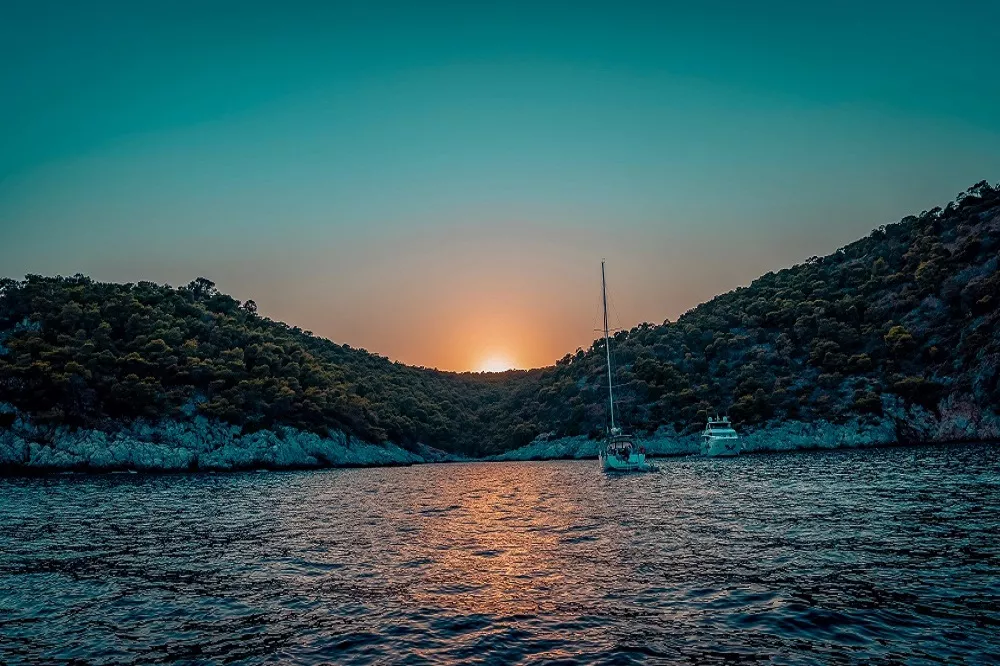
Sailing in Greece is a journey through thousands of islands, whitewashed villages and some of the clearest water in the Mediterranean. With four distinct sailing areas – the Ionian, the Cyclades, the Saronic Gulf and the Dodecanese – there is a perfect route for every taste, whether you want gentle beginner-friendly winds or the thrill of the summer Meltemi. And because you don't need a licence to join a shared trip, Greece is one of the easiest places in the world to turn a sailing dream into reality.
Each region has its own character, scenery and level of difficulty. Below we break them down so you can find the one that matches your idea of the perfect week on the water.
The most beautiful sailing areas in Greece
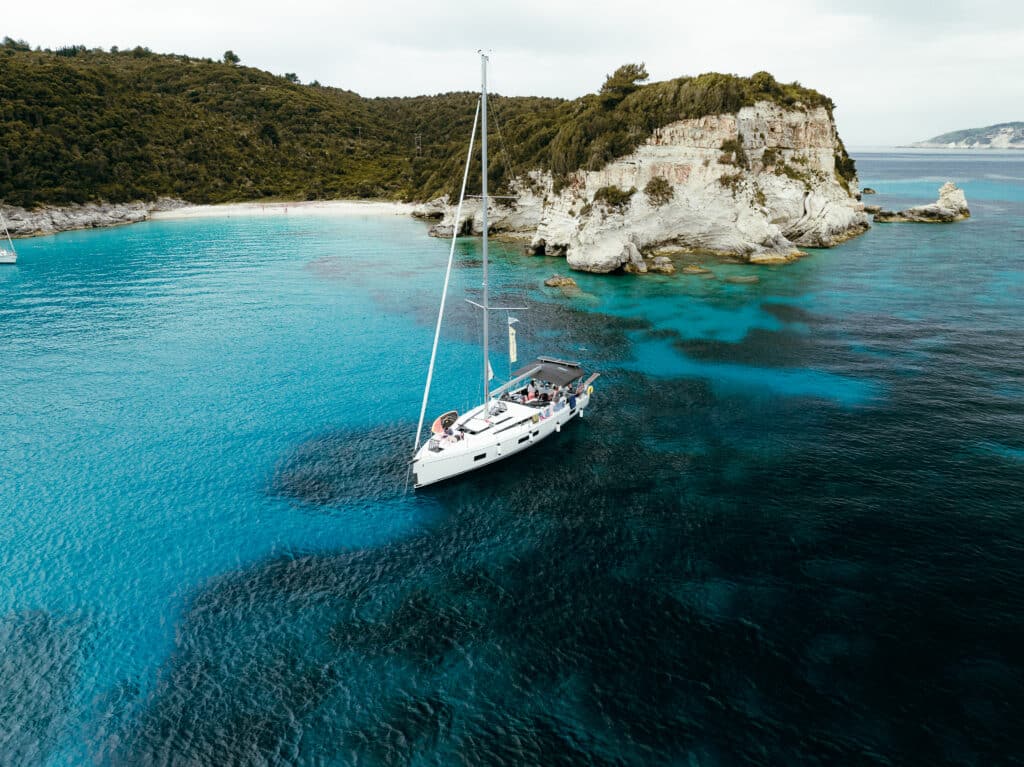
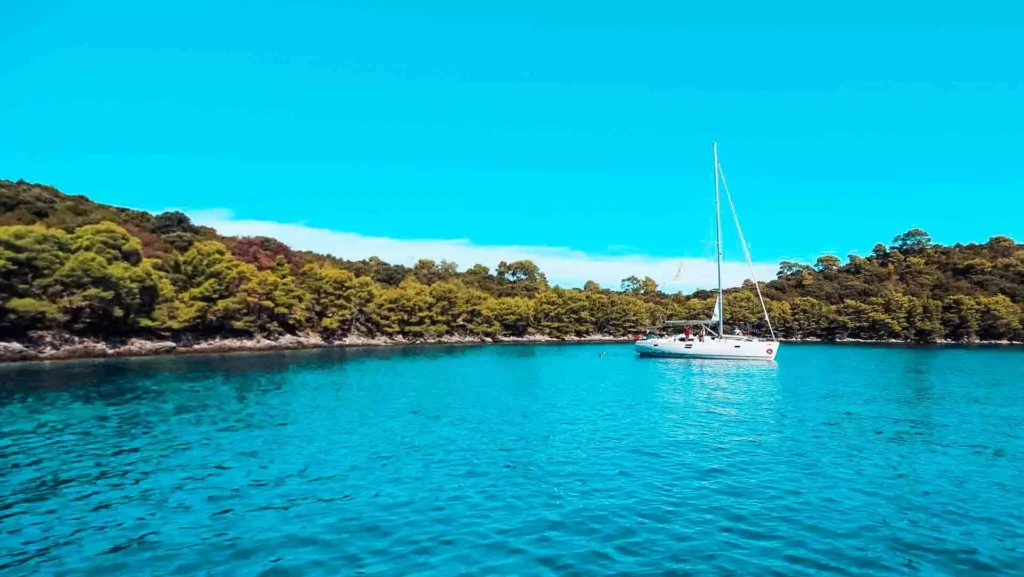
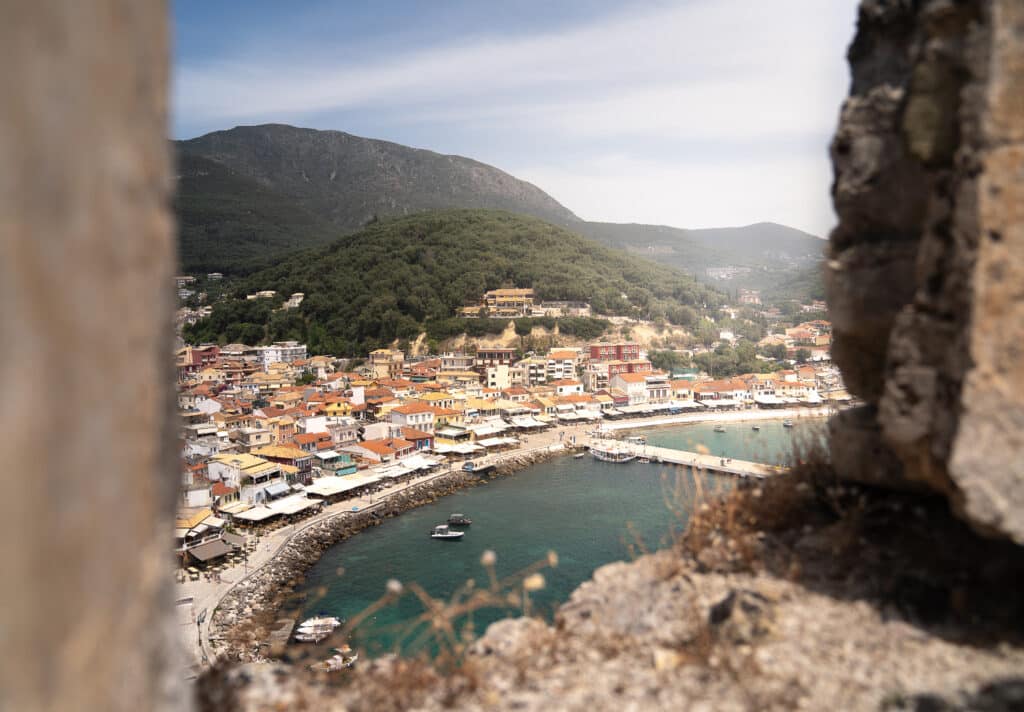
- Ionian Sea (Corfu, Lefkada, Kefalonia, Ithaca) – lush green islands, calm afternoon breezes and short distances. The most beginner-friendly area, with sheltered anchorages and lively harbour tavernas.
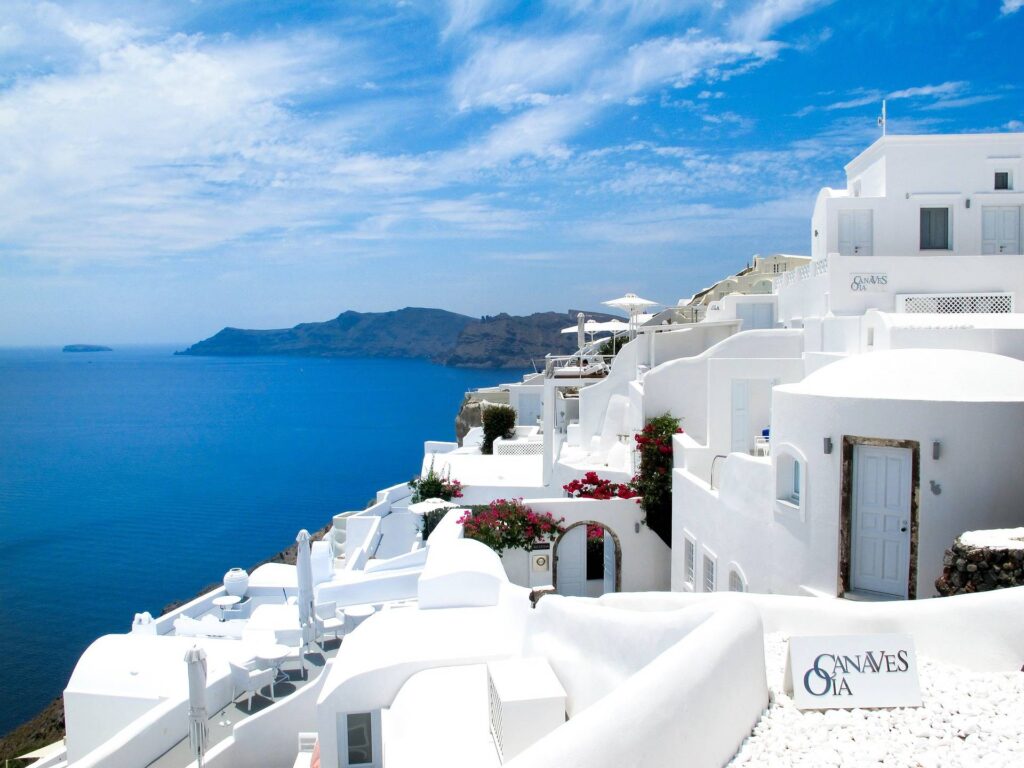
- Cyclades (Naxos, Paros, Mykonos, Santorini) – the iconic white-and-blue islands, steady wind and dramatic scenery for confident crews. See our detailed guide to sailing the Cyclades.
- Saronic Gulf (Hydra, Poros, Aegina, Spetses) – right next to Athens, with short hops and car-free harbour towns; perfect for a relaxed week or a first taste of Greece.
- Dodecanese (Rhodes, Kos, Symi, Patmos) – a historic bridge towards the Turkish Aegean, full of medieval towns and quiet anchorages.

Which area suits you best?
New to sailing? Start in the Ionian, where the gentle afternoon "maestro" breeze and short distances make for stress-free days – you can be swimming off the boat by lunchtime and ashore for dinner every night. Craving postcard scenery and more wind in your sails? The Cyclades deliver dramatic islands, lively anchorages and proper sailing. Short on time or flying into Athens? The Saronic Gulf packs beautiful harbours into a single relaxed week. Love history and remote coves? The Dodecanese rewards you with far fewer crowds.
Want to see the routes in detail? Explore our Greece sailing trips and find the itinerary that fits you.
What a week on board looks like
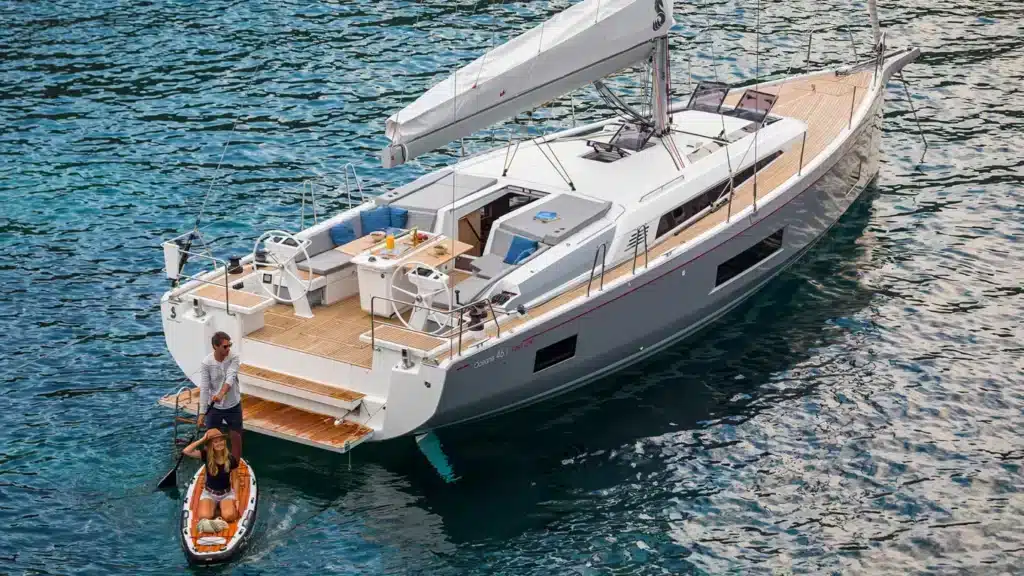
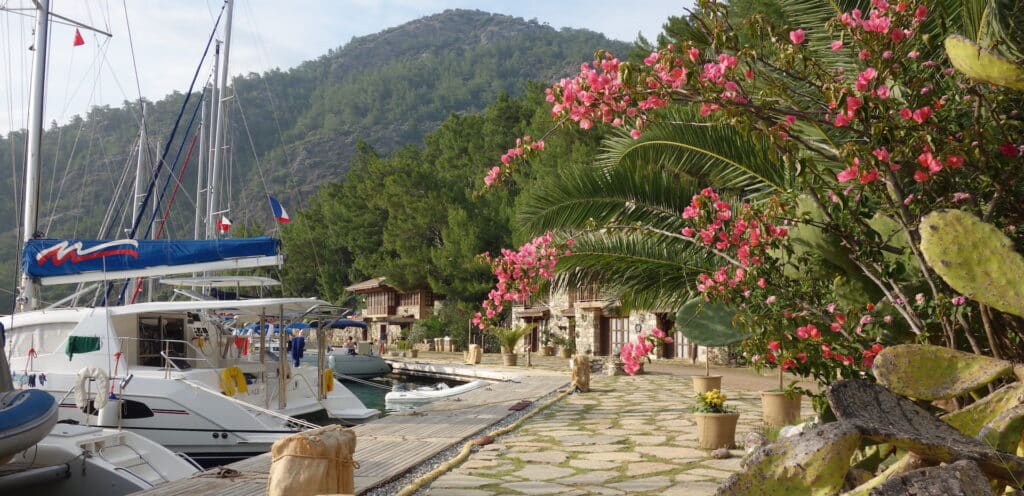
A typical Greek sailing week is wonderfully unhurried. Mornings begin with coffee at anchor and a swim in water so clear you can count the pebbles on the seabed. You sail a few hours to the next island – often with dolphins for company – then drop anchor in a quiet bay for lunch. Late afternoon you berth stern-to in a harbour town, wander whitewashed lanes and settle into a waterfront taverna for grilled octopus, Greek salad and a carafe of local wine. Distances are short, so there is always time to simply do nothing.
Best time to sail in Greece
The season runs from May to October. May, June and September bring warm water, sunshine and moderate winds – the sweet spot for most crews. In July and August the Meltemi – a strong, dry northerly wind – sweeps the Cyclades and the Aegean; it's exhilarating for experienced sailors but demands respect and good seamanship. The Ionian, sheltered on Greece's west coast, stays noticeably calmer all summer, which is exactly why we recommend it for first-timers and families.
With or without a skipper
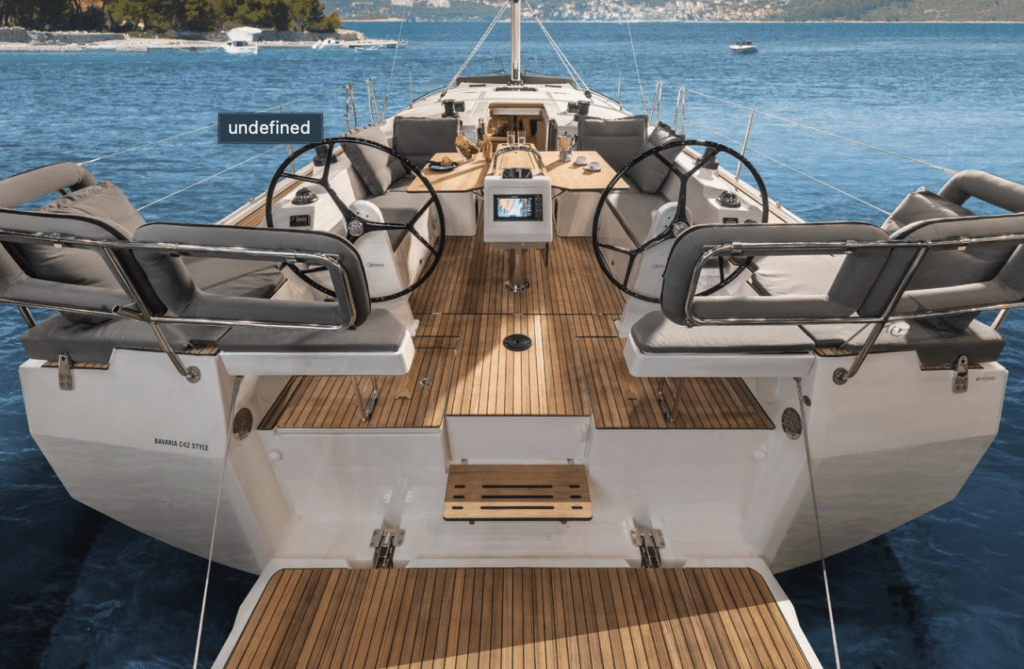
No licence is needed to join a shared trip – a professional skipper takes care of navigation, weather and mooring while you enjoy the islands and pick up as much sailing knowledge as you like. If you'd eventually like to sail yourself, browse our sample itineraries to see what a typical week looks like, or start with a structured skipper training week.
Frequently asked questions
Where is the best place to sail in Greece for beginners?
The Ionian Sea. Its gentle afternoon breeze, short distances and sheltered anchorages make it the most beginner-friendly area in Greece.
What is the Meltemi?
A strong, dry northerly wind that blows across the Aegean and Cyclades in July and August. It brings clear skies and fast sailing, but requires experience and careful planning.
Do I need a sailing licence for Greece?
Not to join one of our shared trips – the skipper holds the required qualifications. You only need a licence if you want to charter and sail a yacht yourself.
How many islands can you visit in a week?
Typically five to seven, depending on the area and the wind. Distances between Greek islands are short, so you see a lot without long passages.
Conclusion
From the green Ionian to the wind-swept Cyclades and the historic Dodecanese, Greece is a sailor's dream with a route for every level. Ready to hoist the sails? Discover our sailing trips in Greece – no experience required.