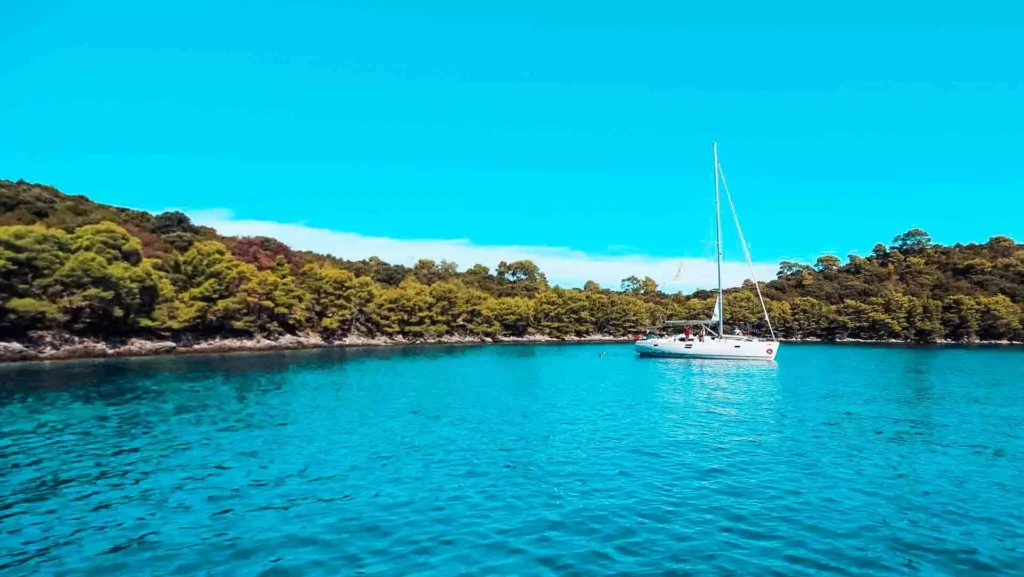
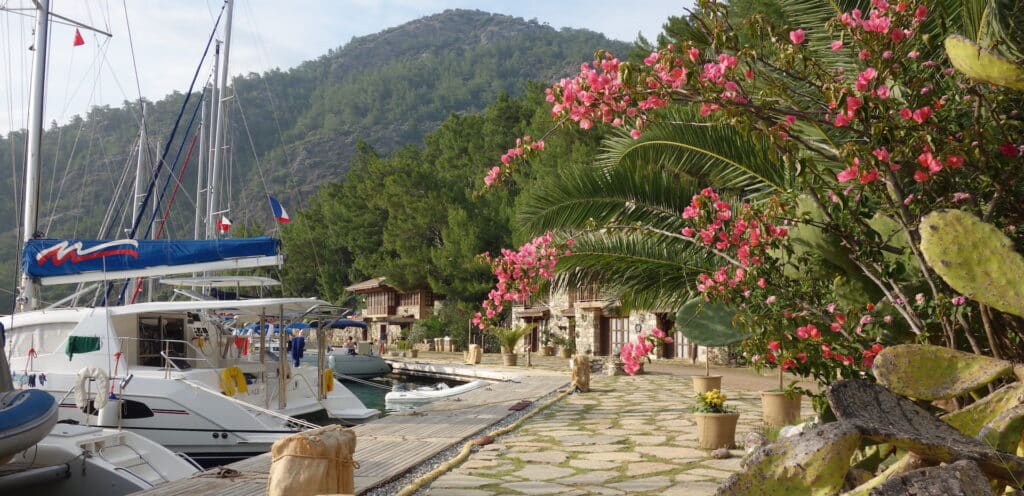
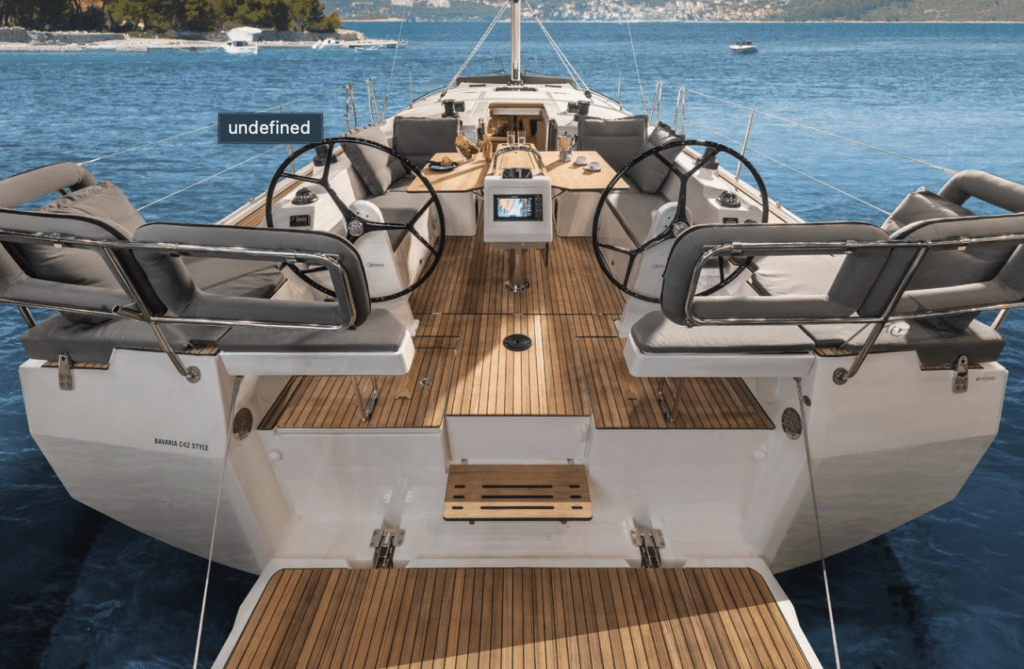
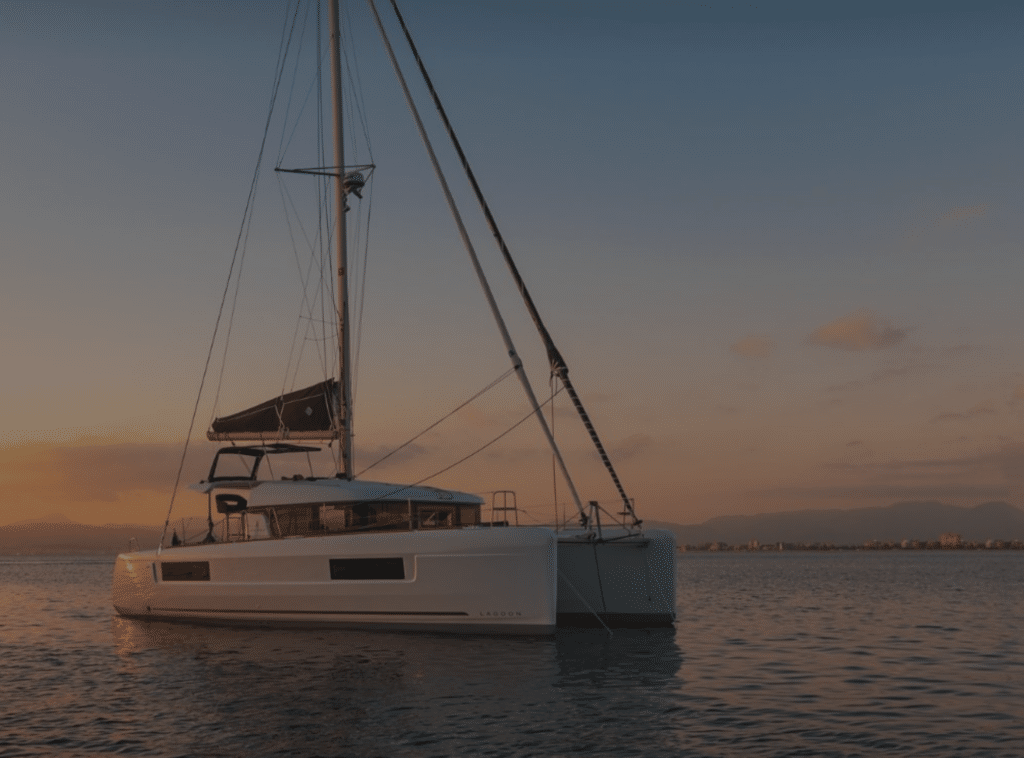
The greatest joy of a sailing holiday is dropping anchor somewhere you could never reach by road – a cliff-framed cove, a turquoise lagoon, a lonely island bay all to yourself. The Mediterranean is stitched with them. Here are some of the best anchorages in the Mediterranean, the kind of places that make you switch off the engine, dive straight in, and never want to leave.
What makes a great anchorage?
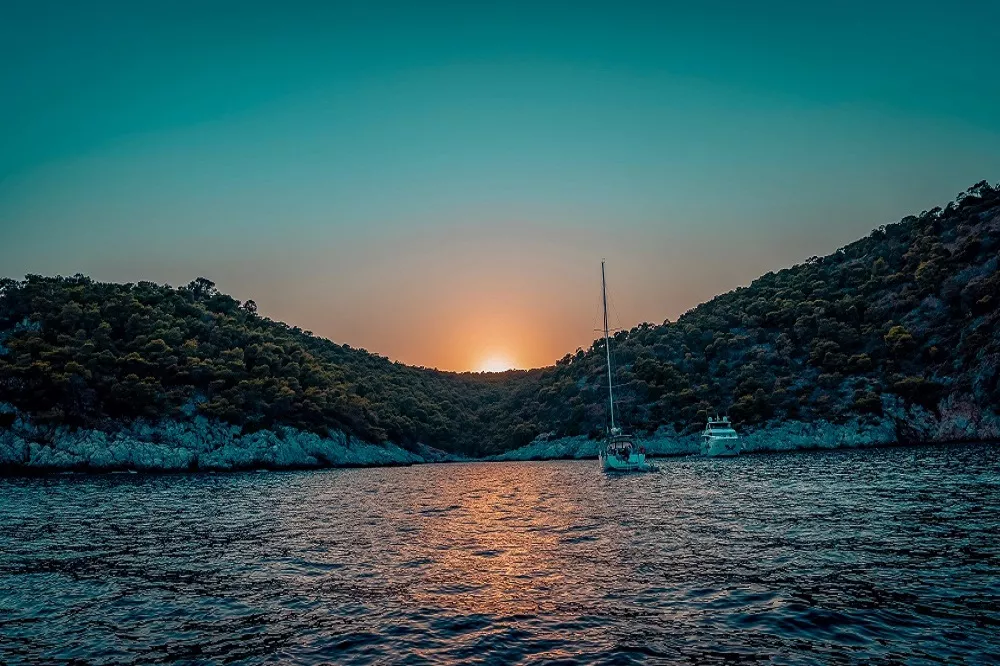
The perfect anchorage combines shelter from wind and swell, good holding (sand rather than weed), clear water for swimming, and a view worth waking up to. Some are lively spots with a beach taverna ashore; others are utterly wild and remote. The best sailing trips mix the two – and on a shared trip your skipper knows exactly which bay will be calm for the night.
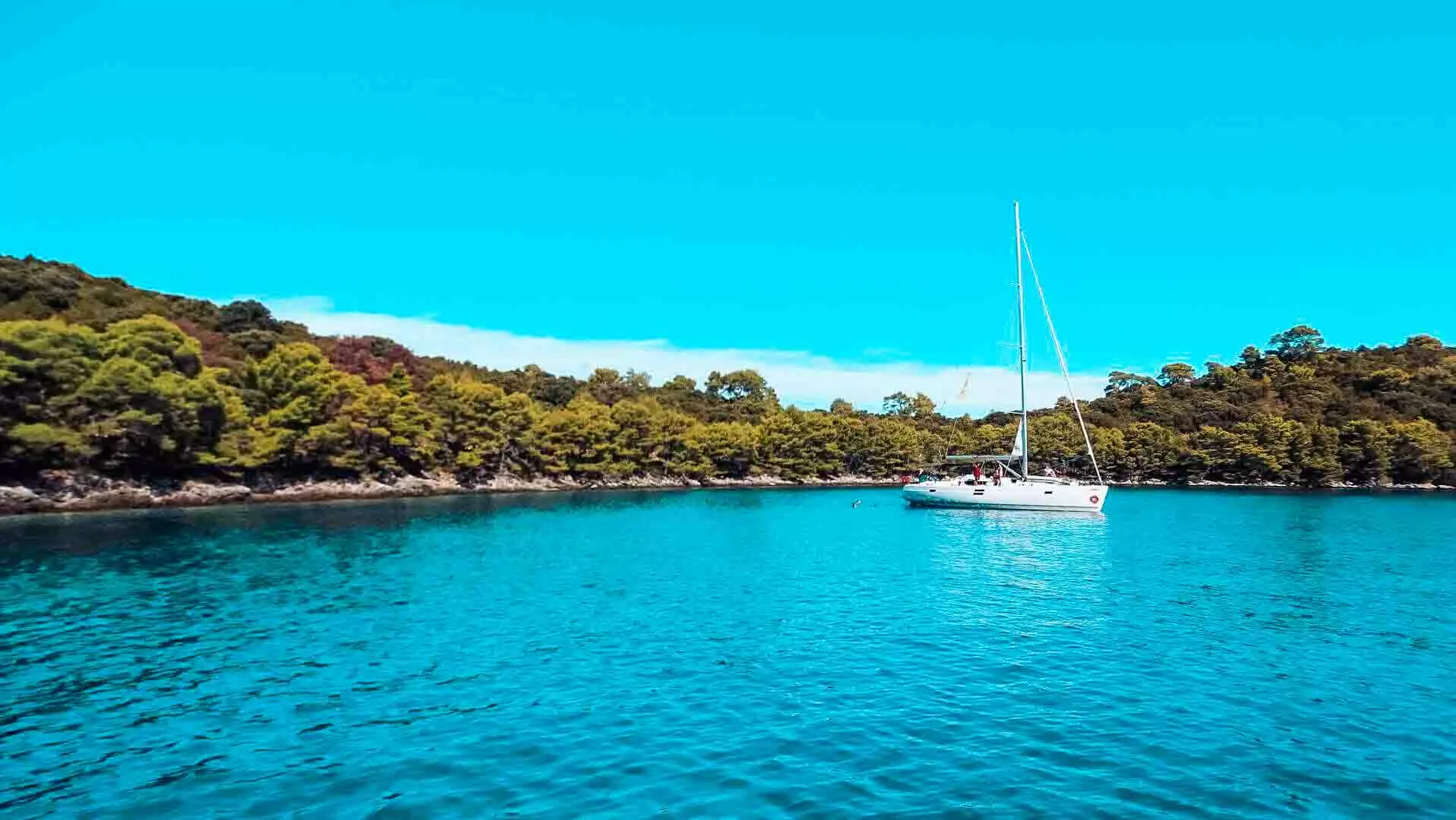
Ten dream anchorages
- Stiniva, Vis (Croatia) – a near-enclosed cove framed by towering cliffs; see more in our guide to Croatia's best bays.
- The Kornati Islands (Croatia) – bare, dramatic and gloriously remote; read our Kornati guide.
- Kekova & the sunken city (Turkey) – anchor above ancient ruins on the Lycian coast.
- Cala Corsara, La Maddalena (Sardinia) – pink-tinged sand and luminous water in the Sardinian archipelago.
- Cabrera (Mallorca) – a protected national park of crystal water off the Balearics.
- Ölüdeniz Blue Lagoon (Turkey) – a postcard-perfect lagoon near Fethiye.
- English Harbour, Gökova (Turkey) – a deep, silent, forest-ringed bay.
- Voutoumi, Antipaxos (Greece) – Caribbean-clear water in the Ionian.
- Santorini caldera (Greece) – anchor beneath the cliff-top villages of a flooded volcano.
- Telaščica, Dugi Otok (Croatia) – a huge natural harbour beside dramatic cliffs.
Want to wake up in bays like these? Find your trip with our trip finder.
Anchoring like a pro
Reaching these spots is easy; anchoring well is a skill worth having. The essentials – choosing good holding, letting out enough chain and setting the hook – are covered in our guide to anchoring a boat. On a shared trip the skipper handles it all, so you can just enjoy the swim.
Frequently asked questions
What is the most beautiful anchorage in the Mediterranean?
It's a hard call, but Stiniva on Vis, the Kornati Islands and Turkey's Kekova are perennial favourites for their drama and clear water.
Do you pay to anchor?
Anchoring in open bays is usually free; national parks (like Cabrera or the Kornati) charge a permit or entry fee, which your skipper arranges.
Can beginners visit these anchorages?
Absolutely – on a shared trip the skipper handles the sailing and anchoring, so beginners can enjoy the most beautiful bays with no experience.
Conclusion
From cliff-framed coves to sunken cities and pink-sand lagoons, the Mediterranean's anchorages are the real reward of a sailing holiday. Ready to drop the hook? Explore our trip finder.