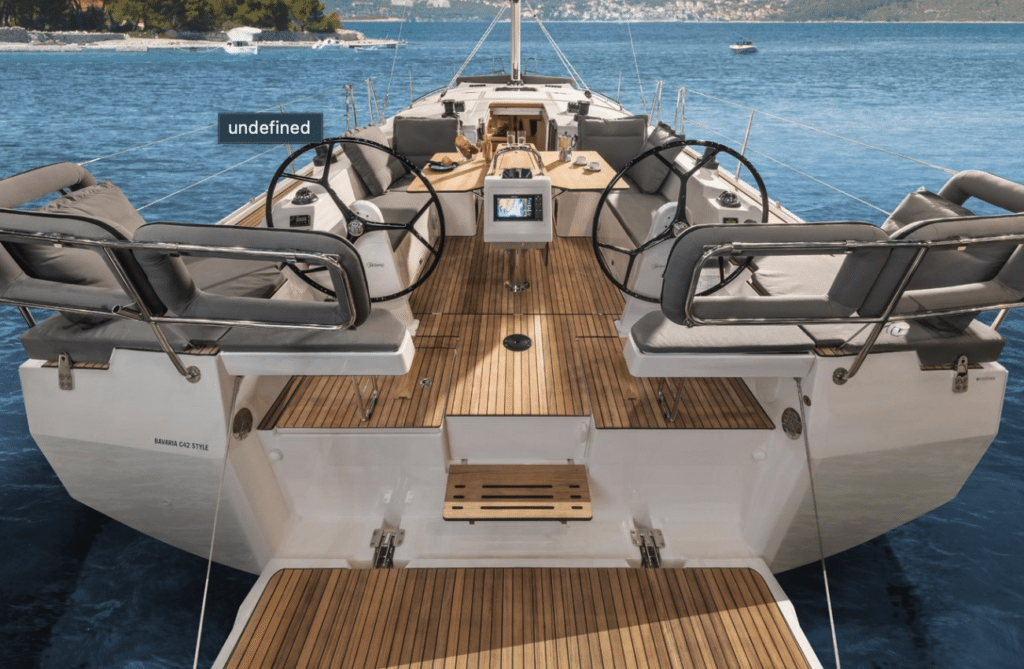
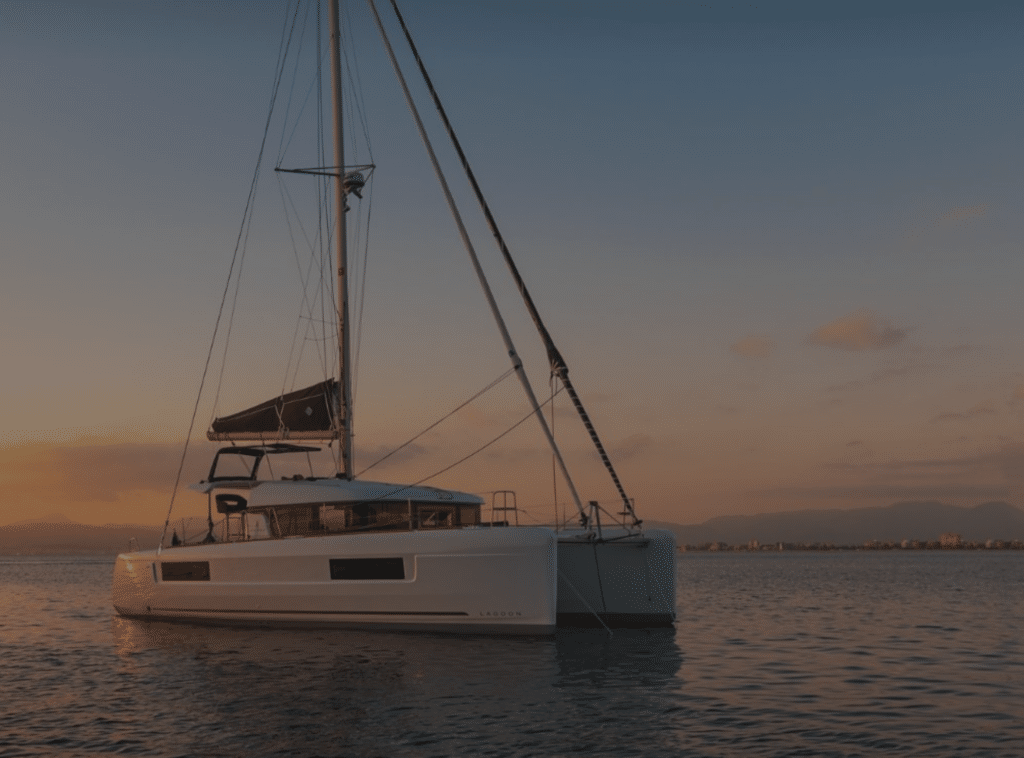
In a world thinking harder about how we travel, sustainable sailing stands out as one of the greenest holidays going. A sailing yacht is powered by the wind, carries a tiny group rather than thousands, and leaves barely a trace on the places it visits. But there's more to sailing responsibly than hoisting a sail – here's how a sailing holiday can be genuinely low-impact, and how to protect the sea you've come to enjoy.
Why sailing is a low-impact holiday
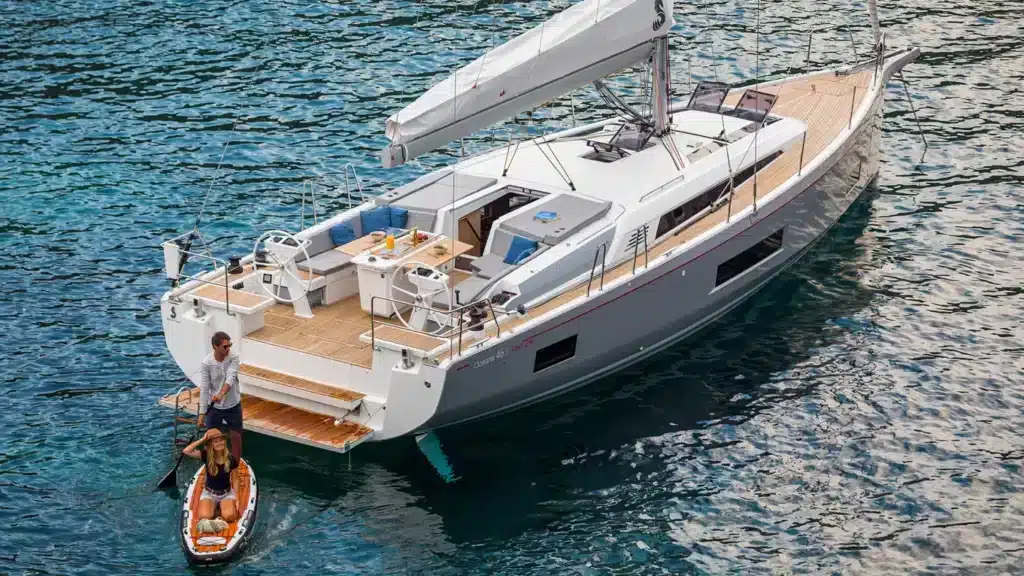
The maths is simple. A sailing yacht uses wind for free propulsion, running the engine only when needed. It carries a handful of people, not a floating city, so the footprint per traveller is small. There are no giant resorts, no daily coach tours, no mountains of single-use waste. Compared with a cruise ship or a fly-and-flop package, a small-group sailing trip is a remarkably gentle way to see the coast.
How to sail responsibly
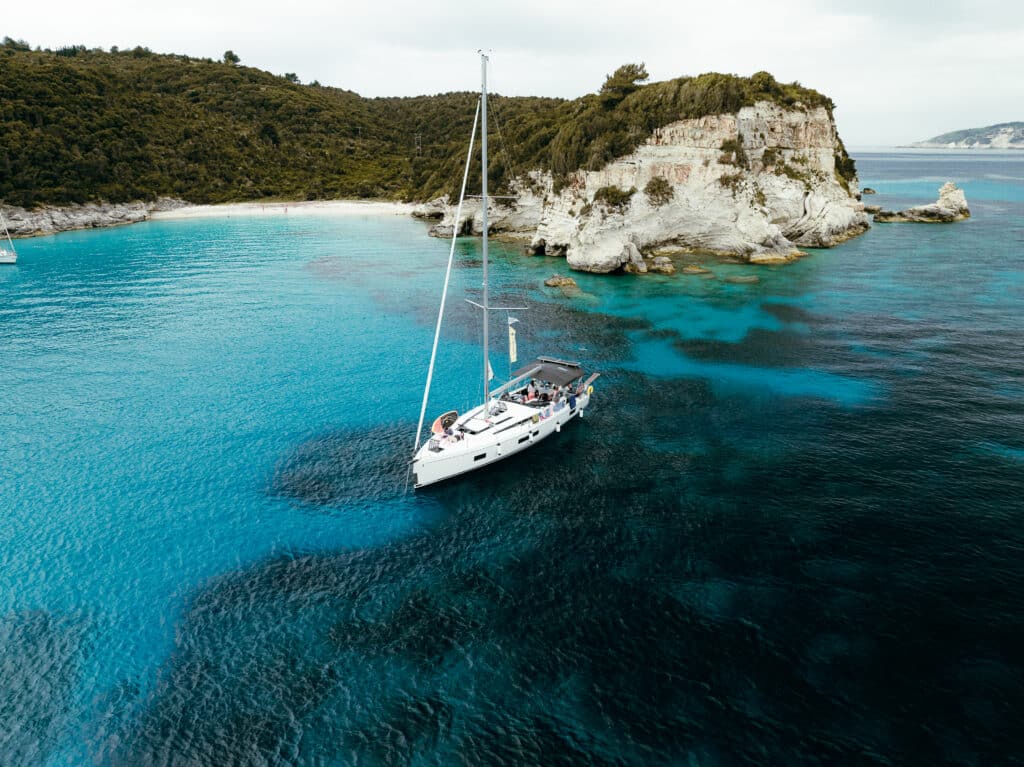
- Protect the seagrass. Mediterranean Posidonia meadows are vital habitats – anchor on sand, not on seagrass or reefs (see our guide to anchoring).
- Cut single-use plastic. Bring refillable bottles and buy fresh at local markets.
- Respect marine parks & wildlife. Keep your distance from dolphins and turtles, and follow park rules.
- Manage waste properly. Never throw anything overboard; use shore facilities.
- Sail more, motor less. Use the wind whenever you can – it's quieter and cleaner, and it's the whole point.
Support local, travel small
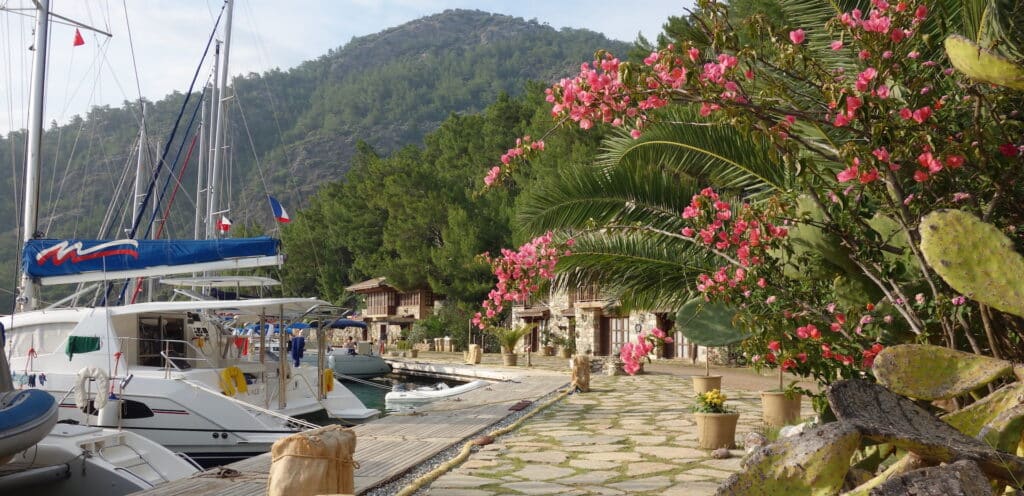
Sailing naturally supports the small places big tourism overlooks – the family taverna, the island bakery, the harbour market. Travelling in a small group, spending in tiny communities and moving under wind power is sustainability in practice, not just in theory. It's a way of seeing the Mediterranean that gives back to it.
Ready for a greener kind of holiday? Find your trip with our trip finder.
Frequently asked questions
Is sailing environmentally friendly?
Relatively, yes – a sailing yacht is wind-powered, carries a small group and has a low footprint compared with cruises and resort holidays, especially if you sail more and motor less.
How can I sail more sustainably?
Anchor on sand not seagrass, cut single-use plastic, respect marine parks and wildlife, dispose of waste ashore, and use the wind rather than the engine whenever possible.
What is Posidonia and why does it matter?
Posidonia is a protected Mediterranean seagrass that stores carbon and shelters marine life. Anchoring on sand instead of seagrass helps protect these vital meadows.
Conclusion
Wind-powered, small-scale and close to nature, sailing is one of the most sustainable ways to travel – especially when you anchor with care and tread lightly ashore. Ready for a greener adventure? Explore our trip finder.