Skip to content

Your Responsibilities as Crew Members

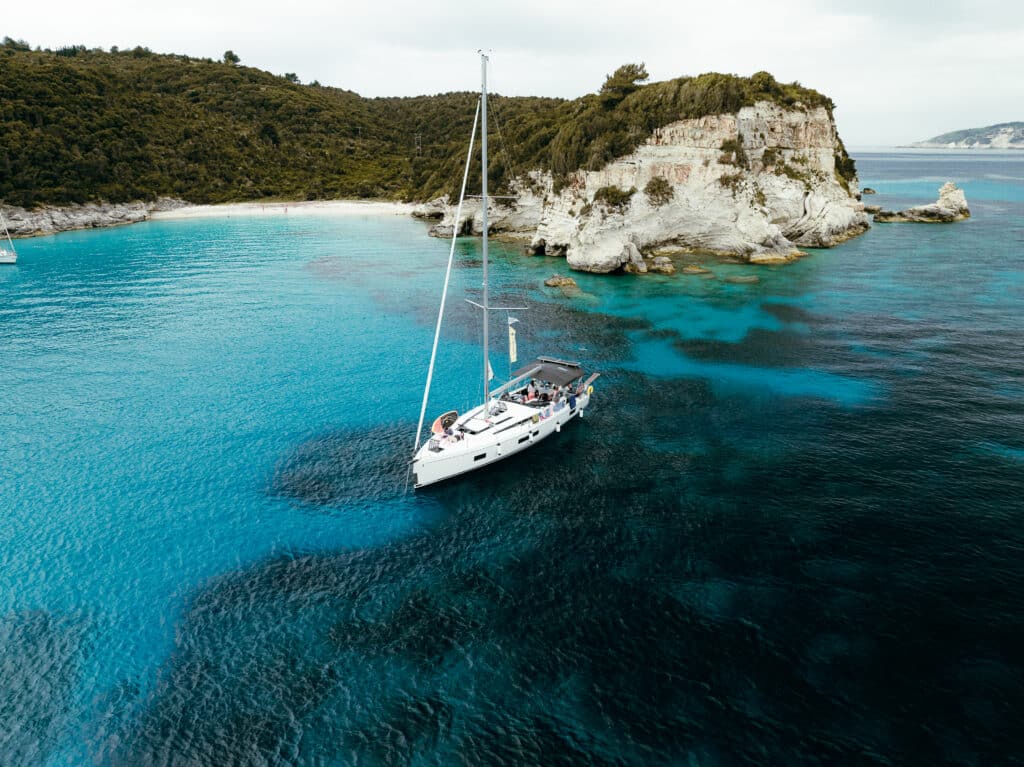
Hello fellow sailors, Welcome to your sailing holiday! You're about to embark on a unique adventure where you'll experience the beauty of the sea up close while becoming part of a crew that steers the ship together. A sailing holiday is a fantastic opportunity to dive into the world of sailing, whether you already have experience or are new to the sport. You'll learn the basics of sailing, experience the sea and its changing conditions, and at the same time be able to observe breathtaking coastal landscapes and perhaps even marine life.

Discover more

Drei Segler entspannen im Cockpit einer Yacht vor einer Felsküste

Community and teamwork

Life on a sailboat requires effective communication and teamwork. This fosters a strong sense of community and deep camaraderie among the crew.

Self-Discovery

Self-Discovery

Sailing requires skill, knowledge, and continuous learning. These challenges contribute to personal growth and build self-confidence.

The simplicity of life at sea

The simplicity of life at sea

Life aboard a sailboat is often stripped down to the essentials. This simplicity can be liberating and lead to a deeper understanding of the important things in life.

Roles and Responsibilities

On board a sailboat, everyone plays an important role. Whether you're seasoned sailors or complete beginners, each of you will be integrated into the team and take on responsibility for various tasks. Here are some of the roles and responsibilities you can take on during your sailing trip:

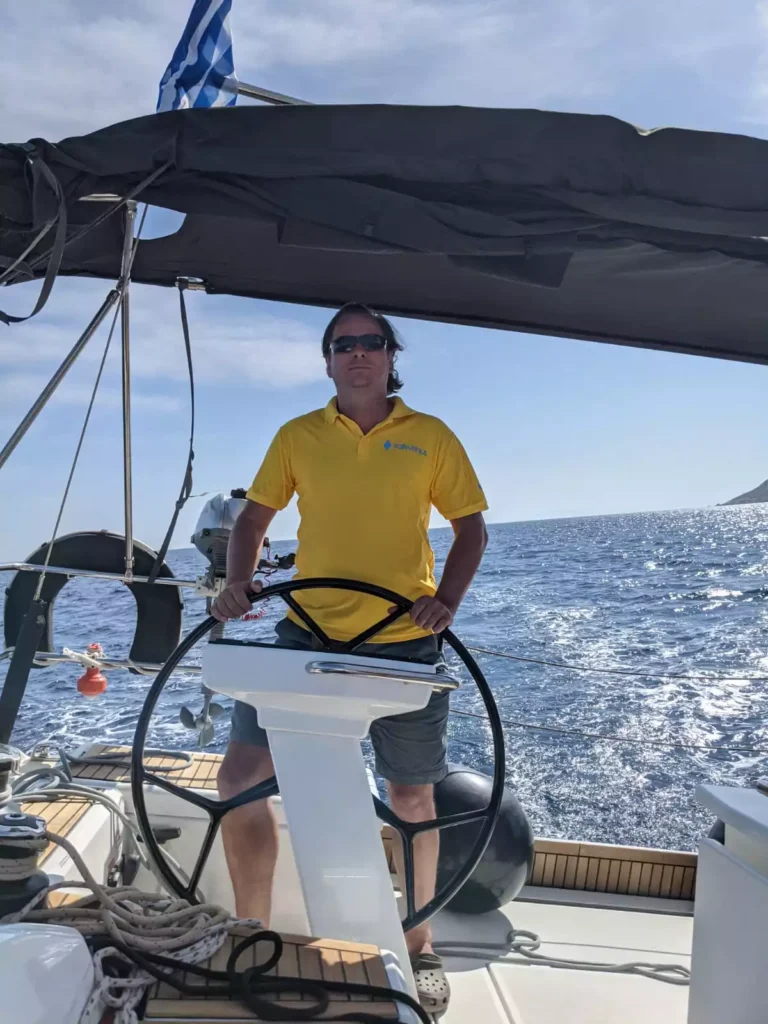
Helmsman

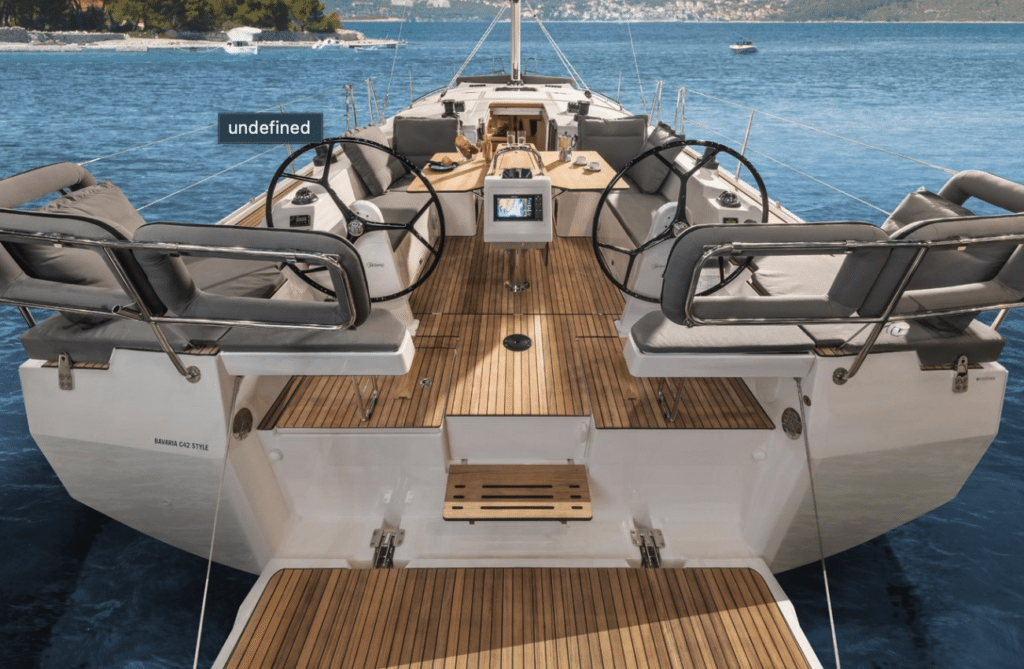
Holding the helm and steering the course require concentration and the ability to respond to the skipper's instructions. Through precise steering, the helmsman plays a key role in ensuring the safety and efficiency of the sail. A trained helmsman can skillfully maneuver the boat through various bodies of water, thereby contributing to a successful sailing trip.

Setting and Trimming Sails

In this course, you'll learn how to set, adjust, and furl sails to achieve optimal speed and direction. By understanding sail trim, you can maximize the boat's performance and respond effectively to different wind conditions. This is crucial for a successful and enjoyable sailing experience.

Navigation

Support for route planning and position tracking is crucial for navigation. This includes the use of charts, a compass, and, when applicable, GPS devices. Precise route guidance ensures safe and efficient sailing. Knowledge of these instruments is essential for successful navigation at sea.

Cooking on Board

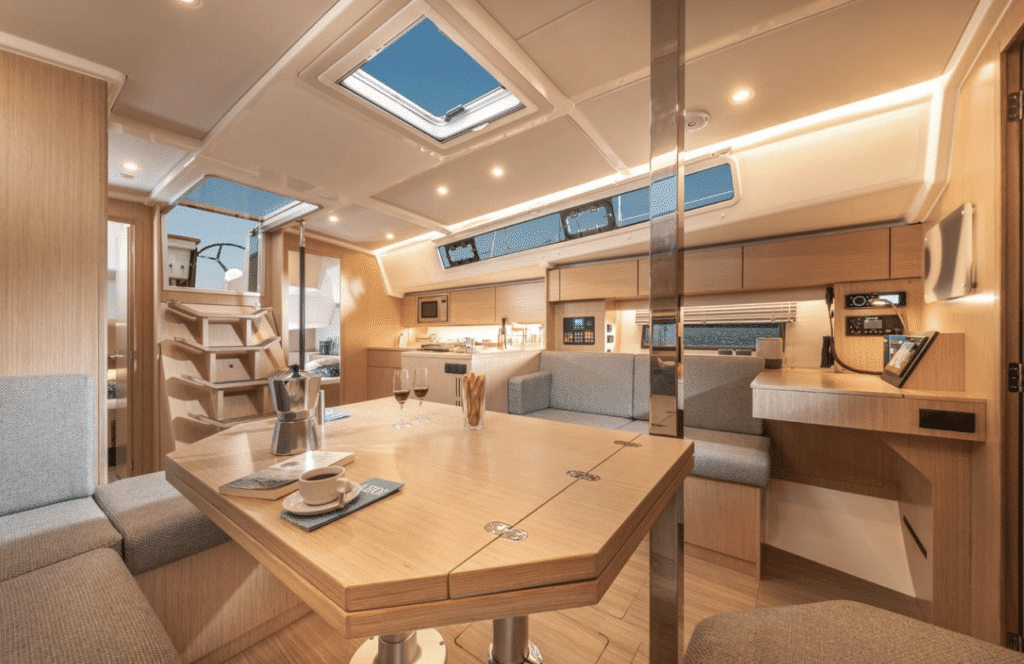
Preparing meals for the crew is essential for energy and a sense of community. Form cooking teams and plan menus together to ensure a varied diet. Cooking on board isn't just a necessity—it's also a pleasure for everyone. Cooking together on board fosters team spirit and enjoyment.

Cleaning

Maintaining the interior and decks of the boat is crucial for safety and comfort. A clean and tidy boat creates a pleasant environment for everyone on board. Regular cleaning, organisation, and waste disposal help prevent accidents and extend the vessel's service life. Order and cleanliness are essential for an enjoyable sailing experience.

Closing Hatches

Monitoring and operating the hatches on board are crucial for the safety of the crew and the ship. Regular inspections and proper operation minimize the risk of water ingress or other emergencies. A thorough understanding of hatch mechanisms and their functions is therefore essential for safe navigation.

Electricity

On board a yacht, responsible use of electricity is essential. You'll learn how to use and charge the onboard battery efficiently—whether via the engine, shore power connections, or any solar panels that may be available. It's especially important to monitor power consumption and use devices such as lighting, navigation instruments, and communication equipment efficiently.

Filling Up with Water

Water is a precious resource at sea. You'll learn how to refill the water tanks safely and hygienically, monitor water usage, and conserve water—for example, by taking short showers and flushing the toilet efficiently. It is important that everyone on board is aware of this responsibility to ensure an adequate water supply throughout the entire voyage.

Keep watch

On longer crossings, take turns monitoring the boat to ensure that everything is in order and to watch for potential hazards or changes in the surroundings.
These roles are not just tasks, but also learning opportunities. You'll have the chance to gain experience in various areas and expand your skills.

Frequently Asked Questions

Before Your Trip

Is sustainable travel possible?

Yes.

Some sailing destinations can be reached by train, ferry or long-distance bus.

Examples: Baltic Sea, Sardinia, France, Croatia.

Which insurance policies are useful?

Insurance is not mandatory, but recommended:

- Travel cancellation insurance

- International health insurance

- Accident insurance

- Liability insurance

How do I get from the airport to the marina?

All travel information is available by e-mail and here:

https://sailwithus.de/gut-zu-wissen/anreiseinformationen/

When does the crew meet and can I come outside the recommended arrival time?

The crew usually meets between 2 and 4 p.m. in the marina or a nearby café.

From around 5 p.m., the skipper can board the yacht and carry out the handover. Meanwhile, the crew goes shopping.

Late arrival is possible in exceptional cases by arrangement.

Saturday is an organisation day - sailing usually takes place on Sunday after the safety briefing.

Which piece of luggage is best?

A sports bag or hiking rucksack is best.

Please do not bring a hard-shell suitcase - there is no storage space for it and it is always in the way.

Recommendation: Packing list on the website.

YouTube:

- https://www.youtube.com/embed/5dPxMRSR9OM

- https://www.youtube.com/embed/JGboVfN5hVQ

What happens after I book my cruise?

After your booking, you will receive further information by email at regular intervals. This includes tips on packing, advice on meal planning, etc.

About a week before the start of the trip, we create a Whatsapp group where you can get to know each other as a crew and the skipper.

Approx. 5 days before the start of the cruise you will receive the final arrival information including a harbour plan and berth.

And then it's time to cast off!

Do I need a passport or identity card?

That depends on the area.

An identity card is sufficient in most districts.

A passport is required for overseas destinations (Thailand, Caribbean, Seychelles, etc.).

Recommendation: Check current information with the Federal Foreign Office.

Will I get to know my fellow sailors before departure?

Yes, a WhatsApp group will be created in the week before your trip. You can discuss travel and organisation there.

Are there bed linen, pillows and towels on board?

Yes, you will be provided with bed linen and a towel.

But bring another towel yourself.

A beach towel is not necessary - you jump straight into the sea.

Frequently Asked Questions