To the beginner, tides and currents can sound like the mysterious, scary part of sailing. In truth they're simple to understand – and in many popular sailing areas they barely matter at all. Knowing the basics helps you read a chart, plan a passage and pick an anchorage with confidence. Here's a clear, beginner-friendly explanation of how tides and currents work and where they matter.
What are tides?
Tides are the slow, regular rise and fall of the sea, caused mainly by the gravitational pull of the moon (and the sun). In most places there are two high tides and two low tides a day. The range – the difference between high and low water – varies hugely by location: a few centimetres in parts of the Mediterranean, but several metres on the Atlantic coasts and in the Channel. Tides affect the depth of water under your keel and, in narrow places, create strong tidal streams.

Currents vs tidal streams
A current is a general flow of water – sometimes permanent, driven by wind or geography. A tidal stream is a current caused by the tide flooding in and ebbing out, and it reverses direction through the day. Both matter because they push your boat: sail with the current and you go faster over the ground; against it and you crawl. Around headlands and in narrow straits, streams can run surprisingly fast, so a good skipper times the passage to catch a favourable flow.
Good news: the Mediterranean is easy
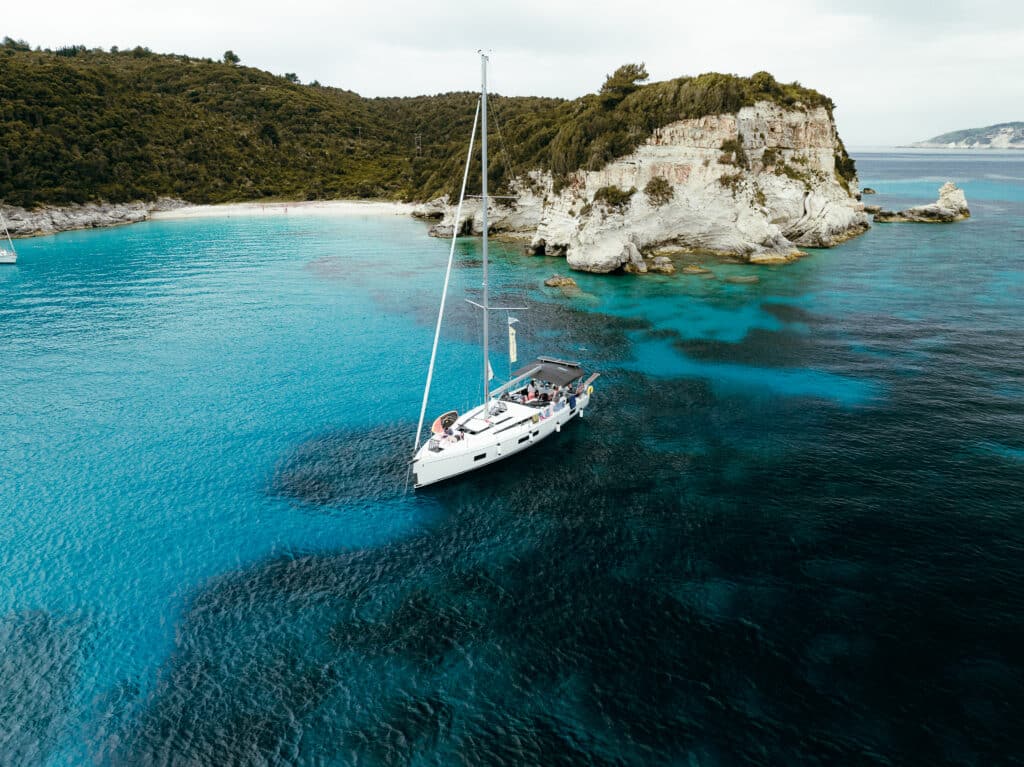
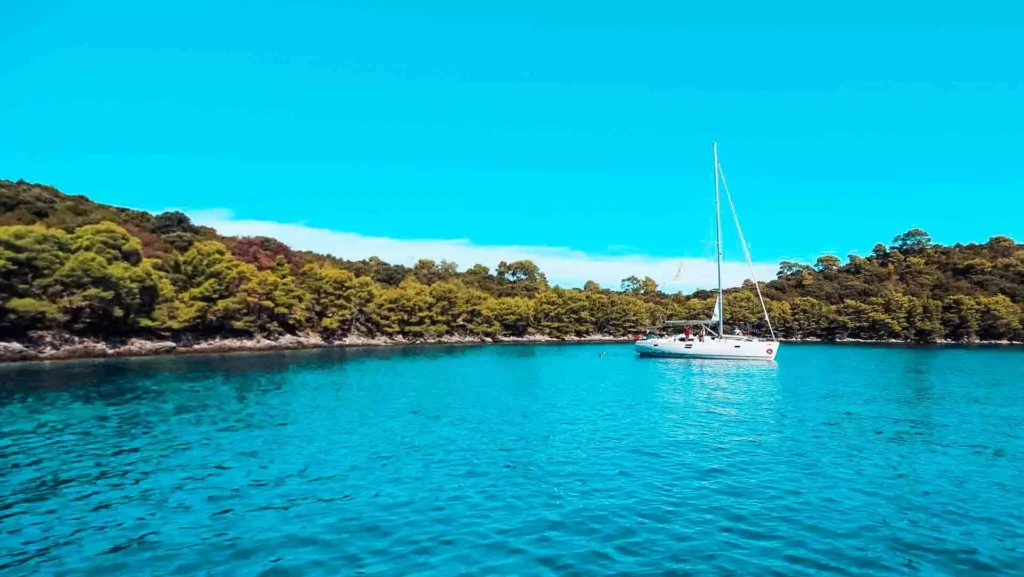
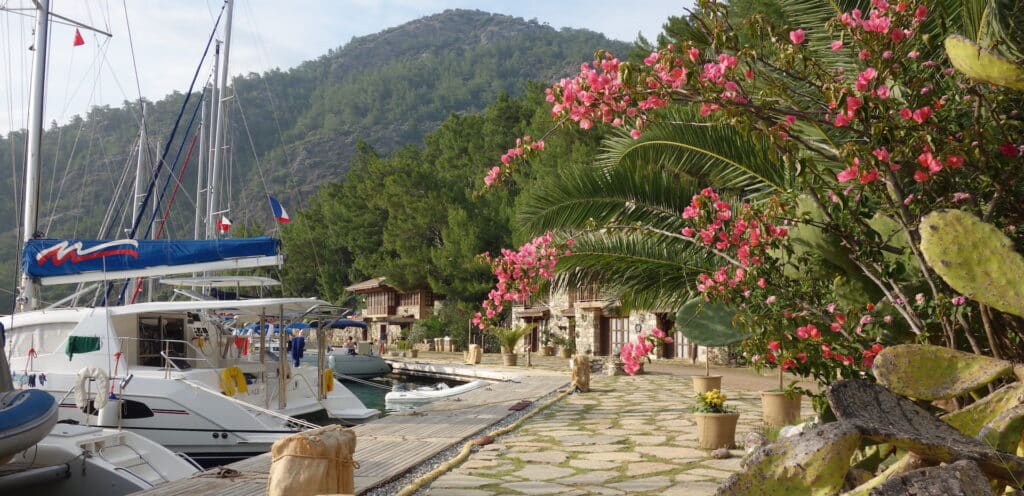
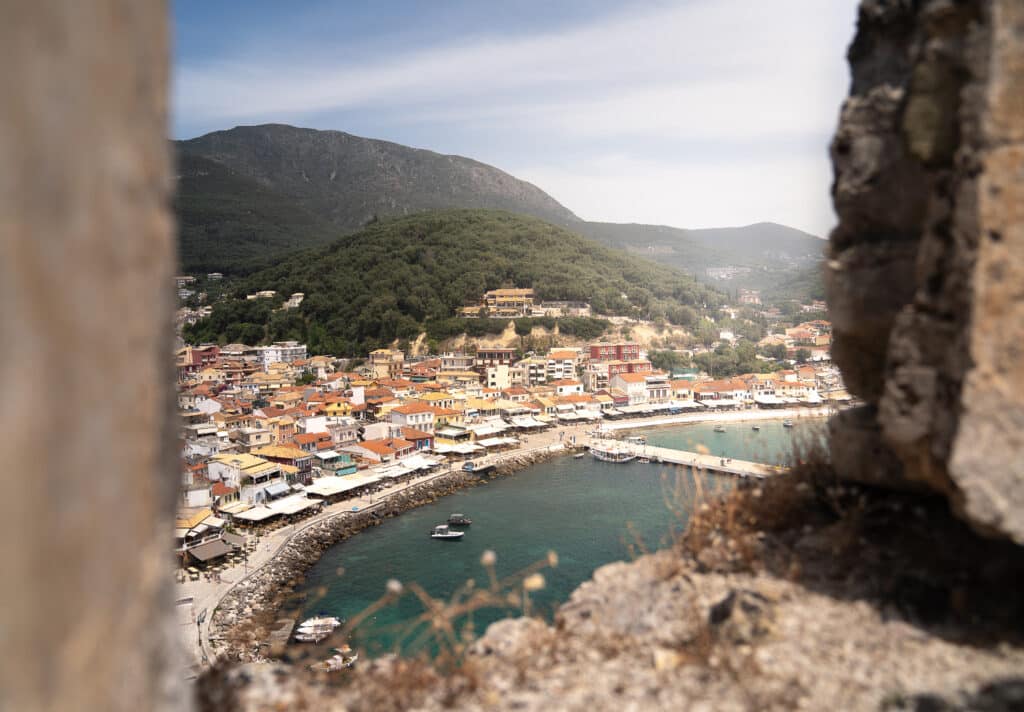
Here's the reassuring part for most holiday sailors: the Mediterranean is almost tideless. The tidal range is tiny, so you rarely need to worry about depth changing under the boat or strong tidal streams. That's one reason the Med – Croatia, Greece, Turkey, Italy – is so beginner-friendly. Tides and currents become more important on ocean and Atlantic coasts, where planning around them is a core skill you'll learn as you progress. Our chart-reading guide shows where this information appears.
Want to learn passage planning properly? Build the skills on a skipper training week.
Frequently asked questions
Does the Mediterranean have tides?
Only very small ones. The tidal range is tiny across most of the Med, which is why it's such an easy, beginner-friendly place to sail.
What is the difference between a current and a tidal stream?
A current is a general flow of water; a tidal stream is a current caused by the tide and it reverses direction through the day.
Do tides matter for a beginner?
In the Mediterranean, hardly at all. On Atlantic and ocean coasts they matter a lot, and planning around them is a key skill you'll learn with experience.
Conclusion
Tides rise and fall, currents and tidal streams push you along – and in the near-tideless Mediterranean, none of it need worry a beginner. Understand the basics and you'll read the sea with confidence. Ready to learn more? Join a skipper training week.