Skip to content
Uncategorized

Boat Safety Equipment: What's on Board and Why

Sailing is a wonderfully safe way to holiday – and a big reason is the safety equipment every yacht carries and the skipper who knows how to use it. You don't need to be an expert to enjoy a trip, but it's reassuring to know what's aboard and what it's for. Here's a beginner's guide to the safety gear on a sailing boat and how it keeps everyone protected.

Personal safety gear

  • Lifejackets – one for everyone aboard, worn whenever the skipper says (rough weather, night sailing, non-swimmers). Modern ones are slim and auto-inflating.
  • Harnesses & lifelines – let you "clip on" to strong points so you can't be separated from the boat – vital at night and in heavy weather.
  • Jackstays – the webbing lines running along the deck that you clip onto to move about safely.
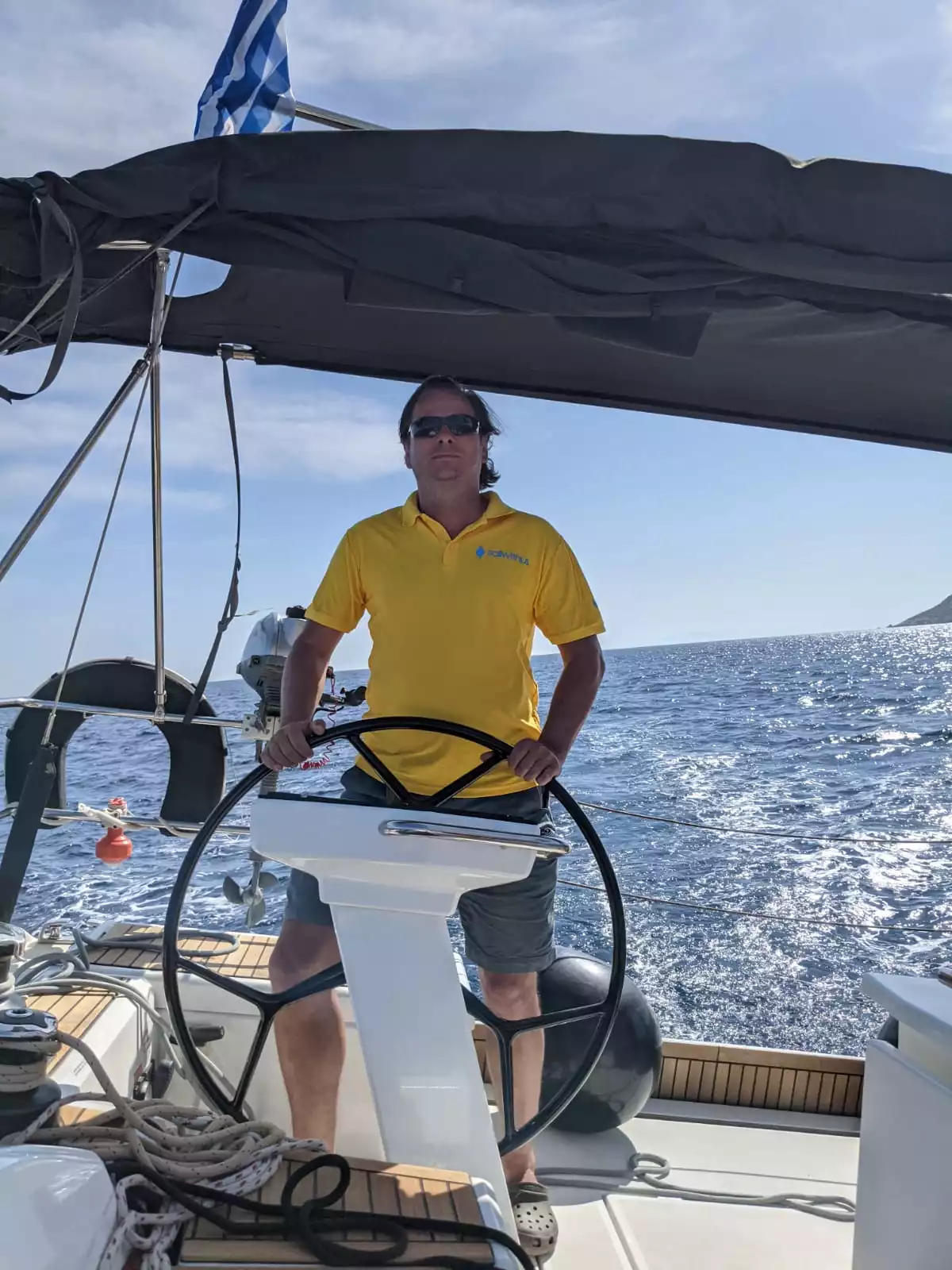
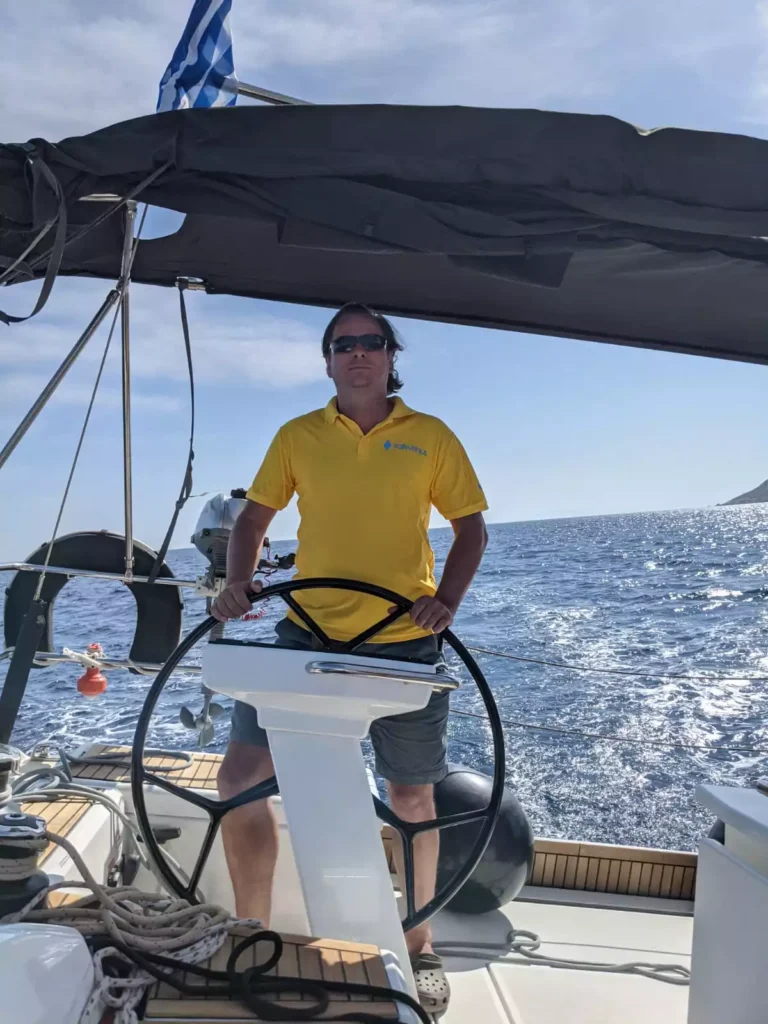
A skipper keeping a safe watch at the helm of a sailing yacht

Emergency equipment

  • Liferaft – a self-inflating raft for abandoning ship in a true emergency (very rare).
  • EPIRB / PLB – a beacon that sends your position to rescue services at the press of a button.
  • Flares – to signal distress and mark your position.
  • Fire extinguishers & fire blanket – for the galley and engine.
  • Bilge pumps – to remove water from the boat.
  • First-aid kit and a VHF radio for calling for help.

The most important safety feature: the skipper

Equipment matters, but the biggest safety factor is an experienced skipper who checks the gear, monitors the weather, chooses sheltered routes and briefs the crew on day one – including the man overboard drill and where everything is stowed. On a shared trip you're in expert hands, so you can relax and enjoy the sailing.

Want to learn safety and seamanship yourself? Build the skills on a skipper training week.

Frequently asked questions

Is sailing dangerous?

Sailing is very safe with a qualified skipper, proper equipment and sensible precautions. Most trips are calm, sheltered and relaxing.

Do I have to wear a lifejacket the whole time?

Not always – the skipper decides when they're needed (rough weather, night sailing, non-swimmers). In calm anchorages they're often not required.

What happens in an emergency?

The skipper leads, using the VHF to call for help and the safety gear as needed. Everyone is briefed on their role at the start of the trip.

Conclusion

Lifejackets, harnesses, a liferaft, beacons and a watchful skipper – the layers of safety on a yacht are what make sailing such a secure adventure. Ready to sail in safe hands? Explore our sailing trips.

Frequently Asked Questions

Before Your Trip

Is sustainable travel possible?

Yes.

Some sailing destinations can be reached by train, ferry or long-distance bus.

Examples: Baltic Sea, Sardinia, France, Croatia.

Which insurance policies are useful?

Insurance is not mandatory, but recommended:

- Travel cancellation insurance

- International health insurance

- Accident insurance

- Liability insurance

How do I get from the airport to the marina?

All travel information is available by e-mail and here:

https://sailwithus.de/gut-zu-wissen/anreiseinformationen/

When does the crew meet and can I come outside the recommended arrival time?

The crew usually meets between 2 and 4 p.m. in the marina or a nearby café.

From around 5 p.m., the skipper can board the yacht and carry out the handover. Meanwhile, the crew goes shopping.

Late arrival is possible in exceptional cases by arrangement.

Saturday is an organisation day - sailing usually takes place on Sunday after the safety briefing.

Which piece of luggage is best?

A sports bag or hiking rucksack is best.

Please do not bring a hard-shell suitcase - there is no storage space for it and it is always in the way.

Recommendation: Packing list on the website.

YouTube:

- https://www.youtube.com/embed/5dPxMRSR9OM

- https://www.youtube.com/embed/JGboVfN5hVQ

What happens after I book my cruise?

After your booking, you will receive further information by email at regular intervals. This includes tips on packing, advice on meal planning, etc.

About a week before the start of the trip, we create a Whatsapp group where you can get to know each other as a crew and the skipper.

Approx. 5 days before the start of the cruise you will receive the final arrival information including a harbour plan and berth.

And then it's time to cast off!

Do I need a passport or identity card?

That depends on the area.

An identity card is sufficient in most districts.

A passport is required for overseas destinations (Thailand, Caribbean, Seychelles, etc.).

Recommendation: Check current information with the Federal Foreign Office.

Will I get to know my fellow sailors before departure?

Yes, a WhatsApp group will be created in the week before your trip. You can discuss travel and organisation there.

Are there bed linen, pillows and towels on board?

Yes, you will be provided with bed linen and a towel.

But bring another towel yourself.

A beach towel is not necessary - you jump straight into the sea.

Frequently Asked Questions