The sea has its own highway code. Known as the COLREGs (the international rules to prevent collisions), the right of way rules at sea decide who gives way when two boats meet. You don't need to memorise the whole rulebook to enjoy sailing – the skipper handles it – but knowing the key principles makes you a smarter, safer crew member. Here are the essentials in plain language.
The main right-of-way rules
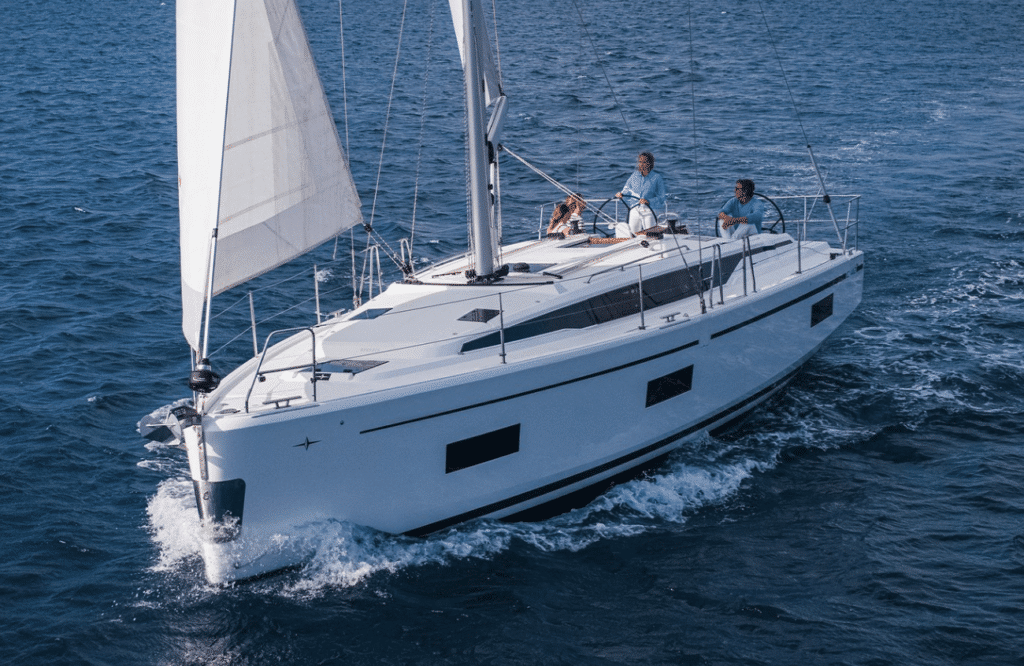
- Power gives way to sail. A motorboat generally keeps clear of a sailing boat under sail – though there are exceptions for large ships in narrow channels.
- Starboard tack has priority. When two sailing boats meet, the one with the wind on its starboard side has right of way; the port-tack boat keeps clear.
- Windward keeps clear. If both are on the same tack, the boat further upwind gives way to the one downwind.
- Overtaking boat keeps clear. Whoever is catching up must stay out of the way, sail or power.

Give way early and clearly
A golden principle underlies all the rules: act early and make your intentions obvious. Small, late alterations cause confusion; a clear, early course change removes all doubt. And whatever the rules say, the overriding duty is to avoid a collision – if the other skipper isn't giving way, you do whatever it takes to stay clear. Good seamanship always beats standing on your rights.
Big ships and narrow channels
One vital exception: large commercial vessels can't manoeuvre or stop easily, so small craft keep well clear of ferries, cargo ships and anything constrained to a shipping channel – regardless of sail or power. Never assume a big ship has seen you.
At night: reading the lights
After dark, coloured navigation lights show which way a vessel is heading and who gives way. Remember: red to port, green to starboard. If you see a green light crossing, it's usually your right of way; a red light means you likely give way. Our sailing wiki explains the lights in more detail.
Want to understand the rules in practice? Learn them on the water with an expert on a skipper training week.
Frequently asked questions
Does sail always have right of way over power?
Usually, yes – power gives way to sail. But large ships in narrow channels and overtaking situations are important exceptions, and avoiding a collision always comes first.
Which sailing boat has right of way?
The boat on starboard tack (wind over the starboard side). If both are on the same tack, the windward boat gives way to the leeward one.
Do beginners need to know the rules?
Not to join a trip – the skipper handles it. But understanding the basics makes you a more useful, confident crew member.
Conclusion
Power gives way to sail, starboard has priority, windward keeps clear, and avoiding a collision trumps everything – that's the heart of the rules of the road. Want to see them in action? Join a skipper training week.