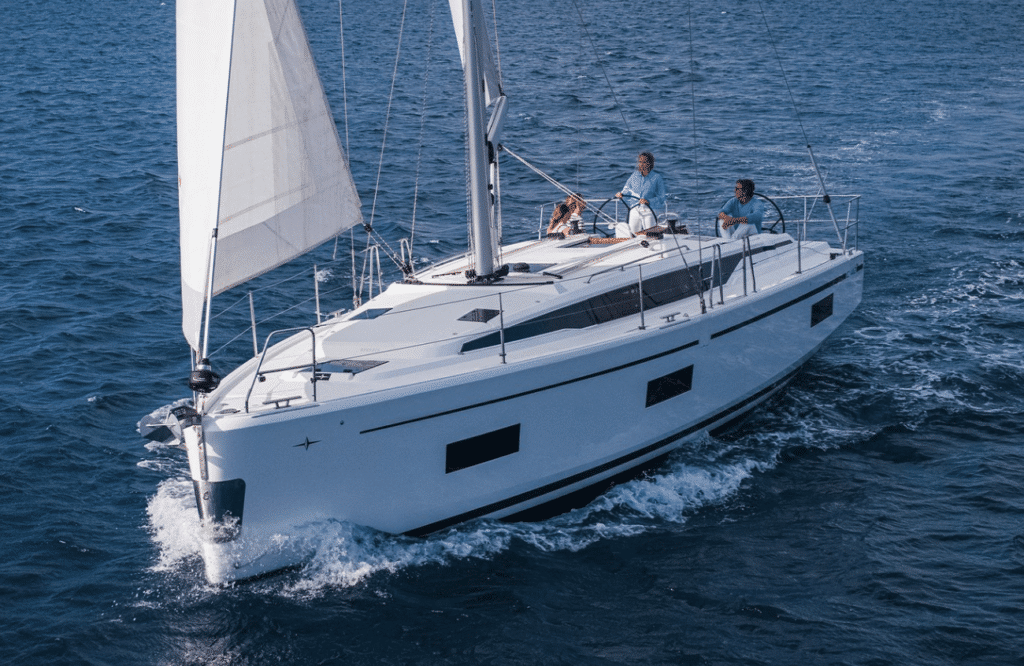
Ask any sailor what makes them nervous and many will say the same thing: docking. Bringing a yacht safely alongside a quay or into a berth, often with an audience and a crosswind, is the manoeuvre beginners worry about most. The good news? With a calm approach, a prepared crew and a few simple principles, how to dock a boat becomes routine. Here's how it's done.
The golden rule: slow is pro
The single most important principle is to approach slowly – "never approach a dock faster than you're willing to hit it." A yacht has no brakes, so speed is your enemy near a quay. Come in at little more than walking pace, in control, ready to stop with a burst of reverse. A slow, deliberate approach turns a scary manoeuvre into a calm one and gives everyone time to react.

Prepare the crew and the boat
Good docking is decided before you arrive. Well ahead of the berth:
- Rig fenders on the side you'll come alongside (a clove hitch makes this quick).
- Prepare mooring lines – bow line, stern line and springs – cleated on and led outside the guardrails, ready to step ashore.
- Brief the crew clearly: who steps off, which line goes on first, and where.
- Read the wind and current – note which way they'll push the boat and plan to use them, not fight them.
Coming alongside
Approach the quay at a shallow angle, ideally with the bow into the wind or current so it helps slow you. As the bow reaches the dock, a gentle turn brings the boat parallel; a short burst of reverse stops her. Step ashore calmly with the midships or bow line first, take a turn around a cleat, and the boat is held while you make fast the rest. Springs (lines led forward and aft) stop the boat surging back and forth.
Stern-to (Mediterranean) mooring
In much of the Med you'll moor stern-to: dropping an anchor off the bow (or picking up a "lazy line") and reversing towards the quay to tie the stern. It takes practice, as yachts steer unpredictably in reverse, but a good skipper makes it look easy. It's a signature Mediterranean skill and a satisfying one to learn.
Docking clicks with practice. Learn it calmly, berth after berth, on a skipper training week.
Do beginners have to dock the boat?
Never under pressure. On a shared trip the skipper handles the tricky manoeuvres and lets you help with lines and fenders, so you learn the ropes gradually. Our sailing wiki explains the basics that go alongside.
Frequently asked questions
What is the most important rule when docking?
Approach slowly and in control – never faster than you're willing to hit the dock. Speed is the main cause of docking mishaps.
What is stern-to mooring?
The common Mediterranean method of reversing towards the quay and tying the stern, using an anchor or a lazy line off the bow to hold the boat off.
Which mooring line goes on first?
Usually a midships or bow line, taken quickly around a cleat to hold the boat, before making fast the stern line and springs.
Conclusion
Slow down, prepare your lines and fenders, use the wind, and communicate – and docking stops being scary. It's a skill anyone can master with a little practice. Ready to learn it properly? Join a skipper training week.