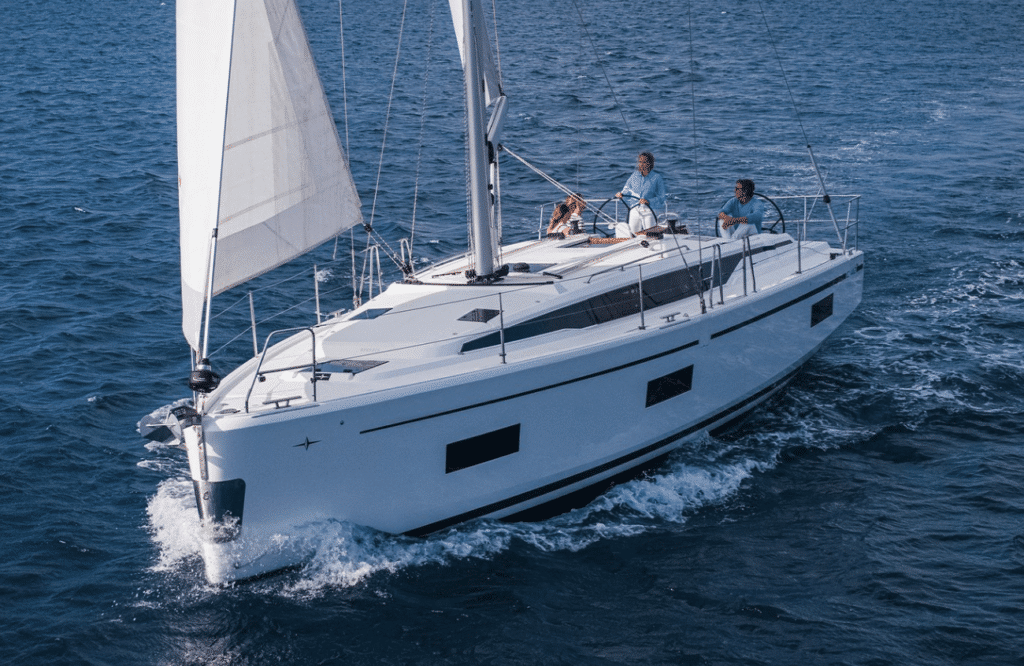
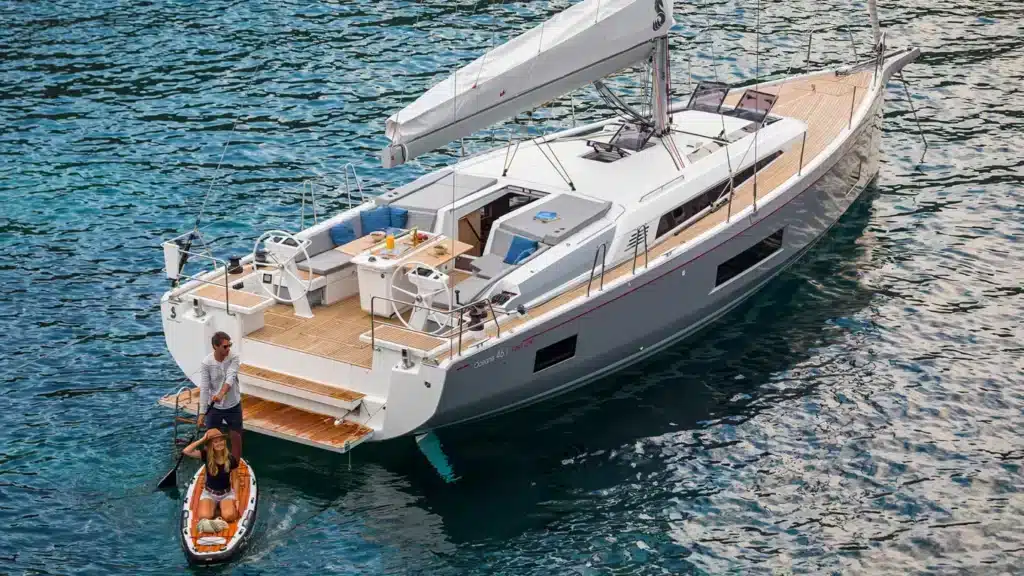
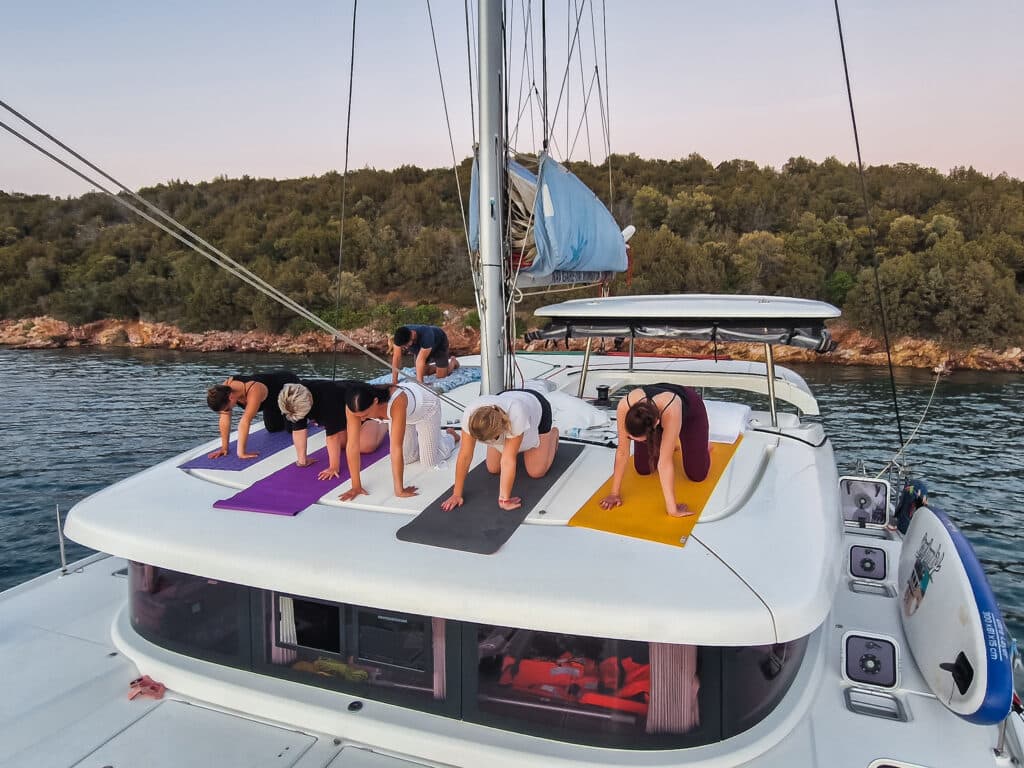
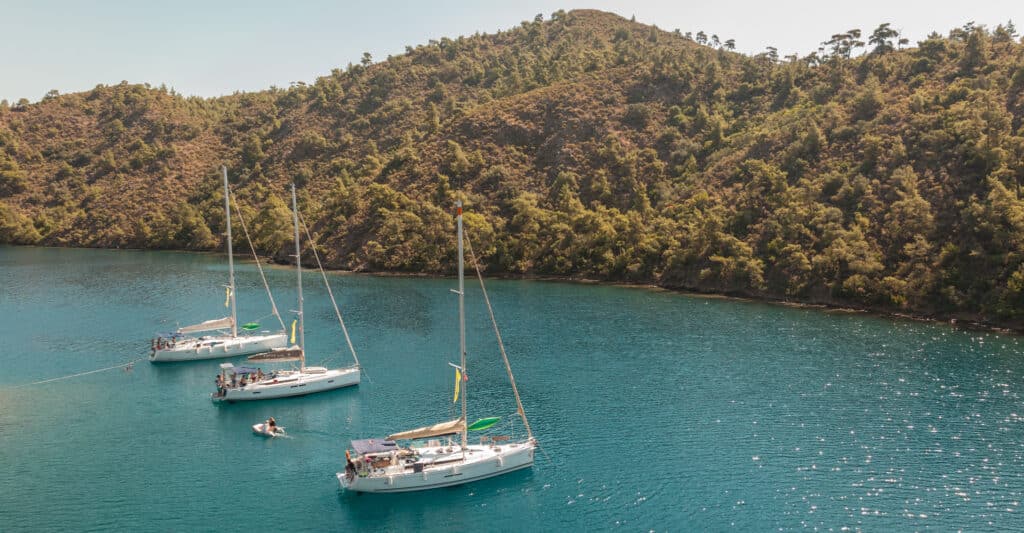
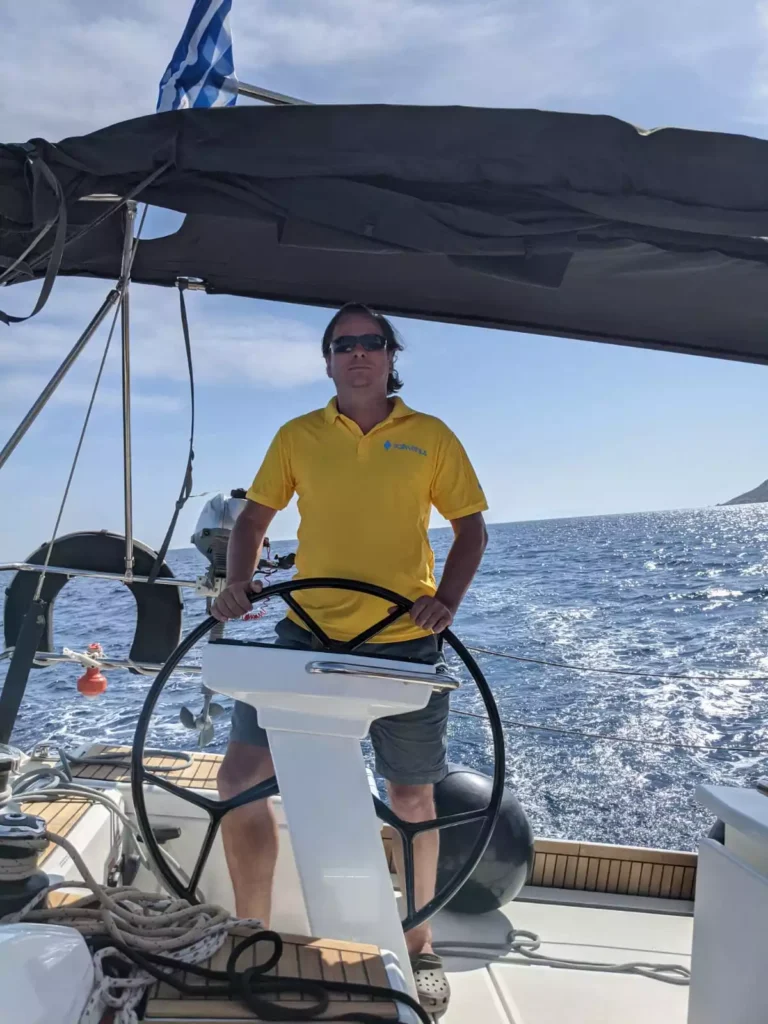
Sailing the Lycian coast is a journey through living history. Stretching east from Fethiye towards Antalya, this rugged, mountainous shoreline was once the heart of the ancient Lycian civilisation – and its ruins still tumble down to the sea. You anchor above a sunken city, swim over submerged staircases, moor beneath cliff-top tombs and tie up in villages reachable only by boat. Add turquoise water and dramatic mountains, and it's one of the most magical cruising grounds in the Mediterranean.
The magic of the Lycian coast
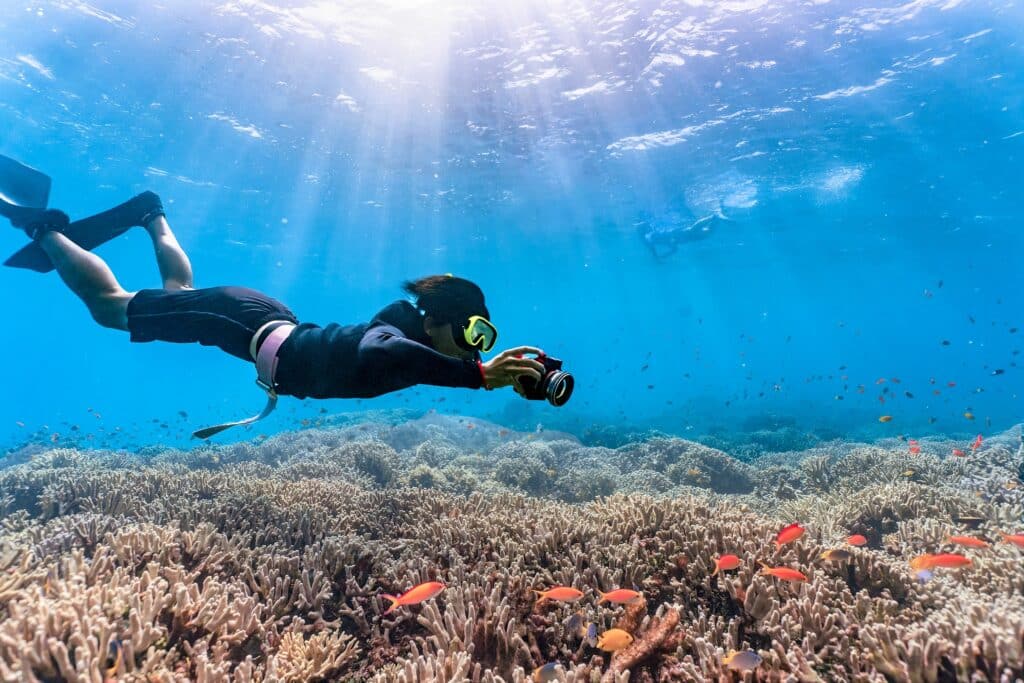
What sets this coast apart is the sheer density of ancient history right at the waterline. Whole cities, harbours and tombs from 2,000+ years ago sit among the bays – many only accessible from the sea. It's a place where a morning swim can take you over the walls of a sunken Roman town, and an evening anchorage sits beneath a Lycian sarcophagus. The scenery is wilder and more dramatic than the sheltered gulfs to the west.
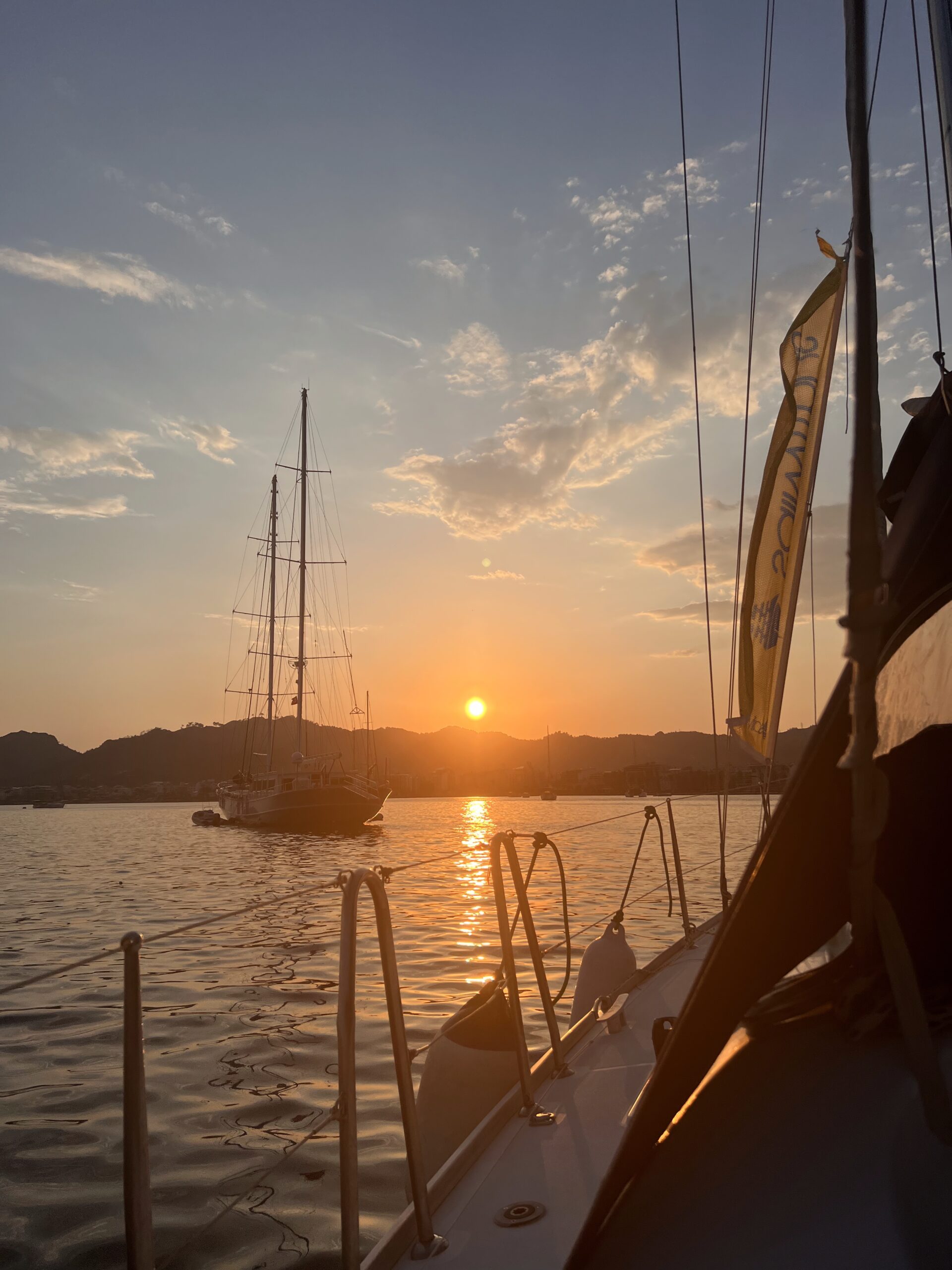
Highlights of a Lycian coast cruise
- Kekova & the Sunken City – the unmissable highlight: an ancient town half-submerged by earthquakes, its staircases and walls visible beneath the surface.
- Simena (Kaleköy) – a car-free village crowned by a crusader castle, with sarcophagi standing in the shallows.
- Kaş – a charming harbour town of bougainvillea-draped lanes and a Lycian tomb in the high street.
- Kalkan – a pretty, upscale town cascading down to a small harbour.
- Gökkaya Bay – a maze of islands and sheltered anchorages near Kekova.
Dreaming of anchoring above a sunken city? Discover our Turkey sailing trips.
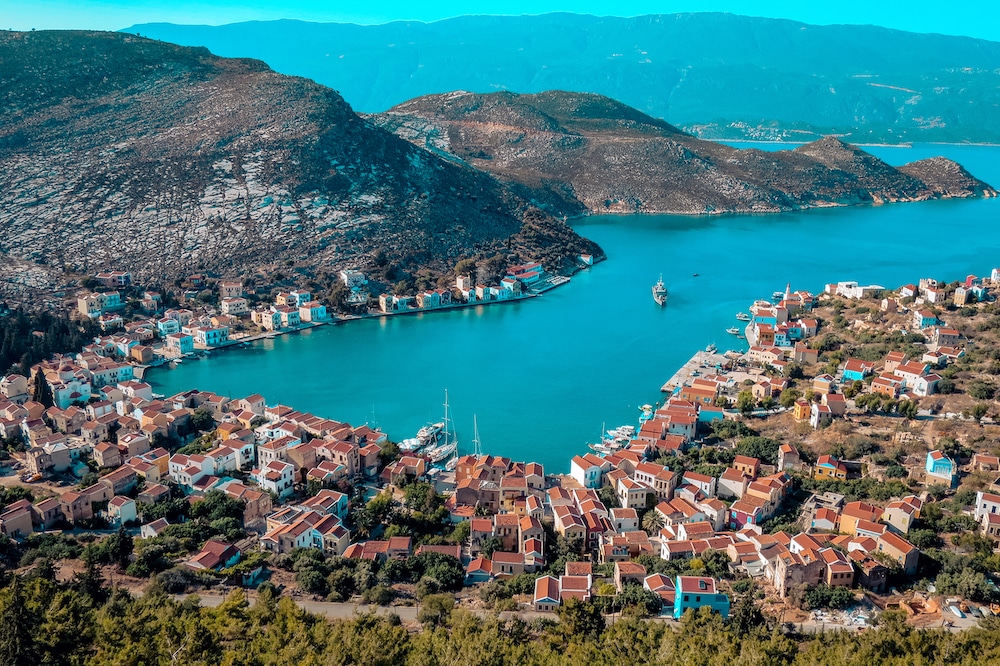
A classic Lycian route
Many trips run between Fethiye and Kaş/Kekova, combining the sheltered coves near Fethiye and Göcek with the wilder, history-rich anchorages further east. It links naturally with the Gulf of Gökova and the wider Turkish Aegean for a longer voyage. Distances are a little greater here than in the gulfs, but every leg brings a new ruin or hidden bay.
Best time to sail the Lycian coast
The season runs from late April to October. May, June, September and October are ideal: warm water, comfortable temperatures for exploring ruins ashore, and lighter winds. High summer is hot and the afternoon breeze can be brisk on the more exposed stretches – a good skipper times the passages accordingly.
With or without a skipper
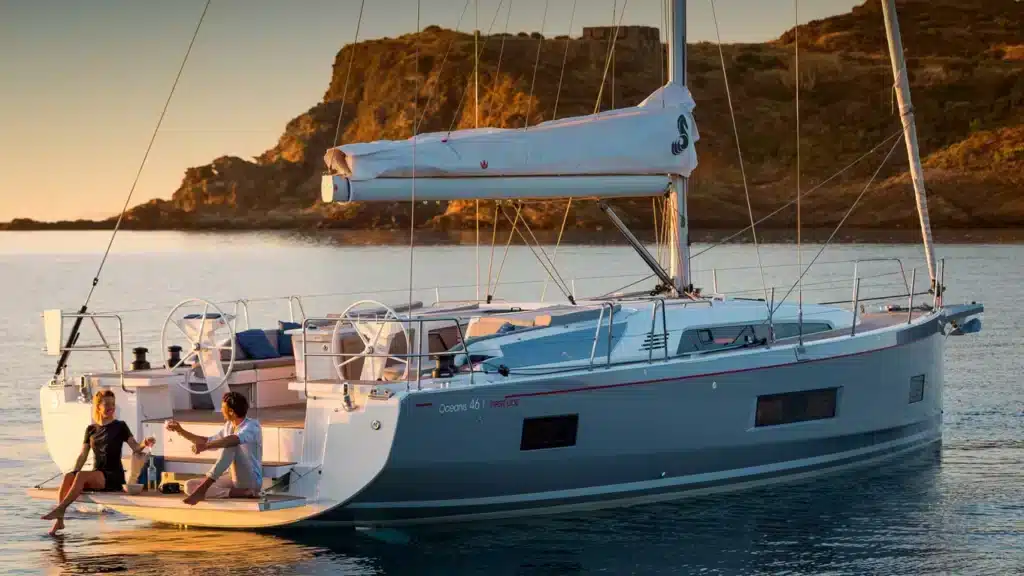
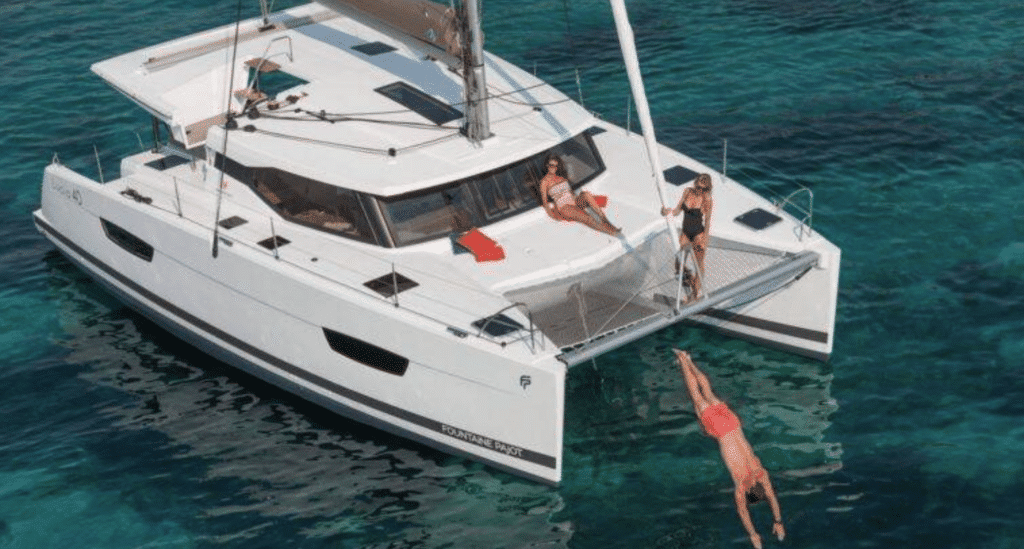
No experience or licence is needed to join a shared trip – a professional skipper handles navigation and mooring, and often knows the history of every bay. It's a spectacular place to learn, too, on a skipper training week.
Frequently asked questions
What is the sunken city of Kekova?
An ancient town partly submerged by earthquakes centuries ago. From a boat you can see its walls, staircases and foundations beneath the clear water – the highlight of the Lycian coast.
Where does a Lycian coast sailing trip go?
Typically between Fethiye and Kaş or Kekova, taking in Simena, Kalkan and the many ruins and bays along the way.
When is the best time to sail the Lycian coast?
May, June, September and October – warm water and comfortable temperatures for both sailing and exploring the ancient sites ashore.
Conclusion
Ancient ruins, a sunken city and dramatic turquoise bays make the Lycian coast one of the Mediterranean's most unforgettable sailing routes – no experience required. Ready to set a course through history? Explore our Turkey sailing trips.